The small difference: Hormone-dependent prostate cancer stopped by a tiny protein change
Current study findings could enable new class of prostate cancer drugs/ Prophylaxis against particularly aggressive form of cancer conceivable / Study in Nature Structural & Molecular BiologyProstate cancer is the most common tumor disease in men in Germany. Male sex hormones such as testosterone significantly influence the gene activity of the cells and thus keep the tumor alive. Scientists at the Medical Center - University of Freiburg have now decoded an essential part of this hormone control. In the journal Nature Structural & Molecular Biology , they show that the hormones responsible for cancer growth can no longer control the tumor if the protein LSD1 is missing a tiny group of molecules. In addition, the cells then no longer develop into a particularly aggressive form of cancer, which is found in around two thirds of all affected people. The findings could pave the way for a new class of prostate cancer drugs.
Mechanism clarified, search for active substances begins
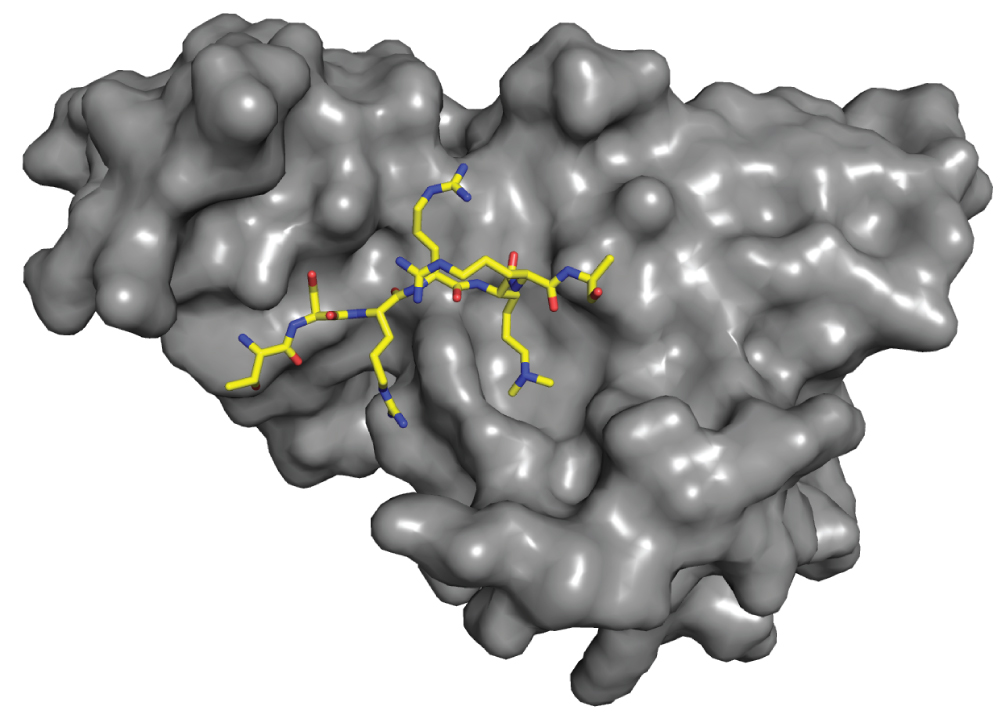
The scientists led by Prof. Dr. Roland Schüle, Scientific Director at the Department of Urology and Head of the Clinical Trials Unit at the Medical Center - University of Freiburg, had shown in earlier studies that the protein LSD1 plays an important role in the hormonal control of gene activity in prostate tumors. They have now shown that LSD1 only interacts with hormone control proteins when the protein EHMT2 transfers a methyl molecule group of only four atoms to LSD1. If the researchers blocked the attachment, the influence of the hormones was also blocked. The inhibition of the transfer of EHMT2 had a very selective effect; other molecules were not affected.
"We have elucidated an important mechanism in the hormonal control of prostate cancer. Our hope is that this step can be inhibited very specifically with the right drugs. We now need to find these active substances," said Prof. Schüle from the University of Freiburg, who is also the spokesperson for the Collaborative Research Center 992 "Medical Epigenetics" at the University of Freiburg.
Prophylaxis against more aggressive forms of cancer?
Without the LSD1 attachment, the cancer cells no longer developed into a particularly aggressive form, which occurs in around two thirds of prostate tumors. This occurs because two areas of the genetic material fuse together, causing a gene that is important for the cell to become subject to hormonal control.
"By blocking the change in the LSD1 protein, we can prevent the pathological remodeling of the genetic material. In the best-case scenario, this could prevent the disease from worsening," said Dr. Eric Metzger, lead author of the study and biologist at the Department of Urology and the Medical Center - University of Freiburg.
More than 64,000 men in Germany are diagnosed with prostate cancer every year. Around 93 percent of men are considered cured after treatment. Prostate cancer can be treated in various ways, including surgical removal of the prostate, radiotherapy and hormone therapy. In many cases, the cancer needs to be monitored but not treated. The causes and risk factors for the development of cancer are largely unknown.
Original title of the paper: Assembly of methylated KDM1A and CHD1 drives AR-dependent transcription and translocation
DOI: 10.1038/nsmb.3153
Link to the study: www.nature.com/nsmb/journal/vaop/ncurrent/full/nsmb.3153.html
Caption: Only when the proteins LSD1 (colored) and CHD1 match perfectly can sex hormones stimulate prostate cancer cells to grow dangerously.
Image source: Medical Center - University of Freiburg