Lifesavers out of control: preventing dangerous immune reactions after stem cell transplants
Freiburg leukemia researcher receives two million euros as part of an ERC Consolidator GrantA stem cell donation is the last resort for many leukemia patients. However, in every second person affected, the transferred immune cells attack the recipient's tissue, which can lead to life-threatening complications. For his research into this graft-versus-host reaction (GvHD), Prof. Dr. Robert Zeiser, senior physician at the Department of Medicine I at the Medical Center - University of Freiburg, has now been awarded a five-year ERC Consolidator Grant from the European Research Council (ERC) worth two million euros. Prof. Zeiser's team will investigate the role played by short pieces of genetic material, so-called micro-RNAs, in the development of the dangerous immune reaction. The project should help to make stem cell transplants safer and develop tests for the early detection of patients at risk. The ERC Consolidator Grant is the European Union's most highly endowed project funding for young researchers.
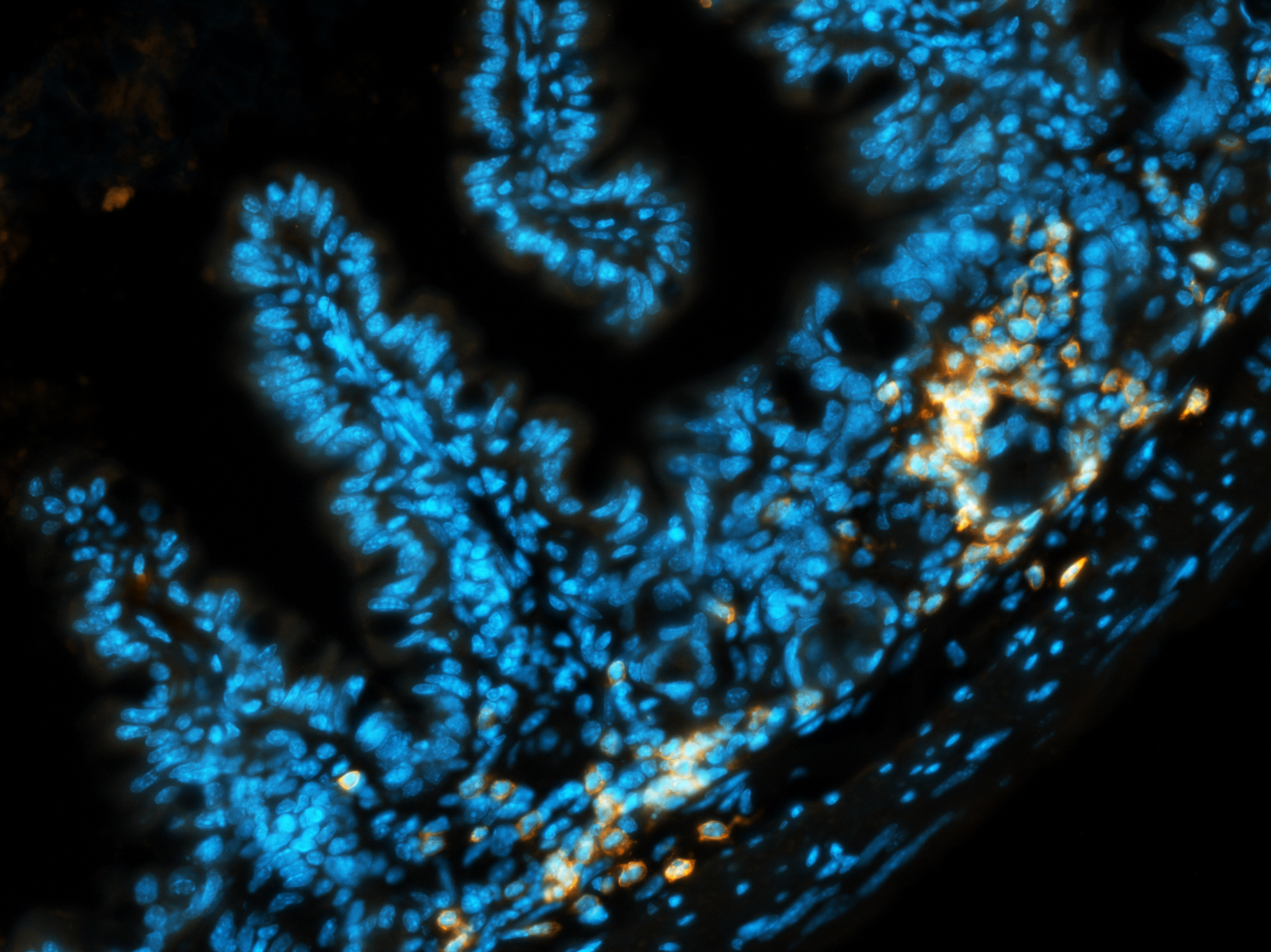
A graft-versus-host reaction can lead to skin changes, severe diarrhea and liver failure, among other things, and is the most common cause of death after a donor blood stem cell transplant. It is not yet clear why some patients develop GvHD. It is assumed that genes that promote inflammation are particularly active in those affected. The researchers led by Prof. Zeiser are now investigating how micro-RNAs intervene in the regulation of these genes. "In the best-case scenario, we could prevent the dangerous immune reaction by inhibiting the appropriate micro-RNAs," says Prof. Zeiser. Similar approaches are already being investigated in clinical trials for the treatment of hepatitis C and lung cancer.
The researchers are also looking for variants of micro-RNAs in leukemia patients that lead to particularly high activity of the inflammatory genes. "With a corresponding blood or urine test, we could identify high-risk patients and very precisely dose the activity of the transferred immune cells in them," says Prof. Zeiser. Over time, the immune cells usually become accustomed to the recipient's tissue and can then perform their actual function. "The combination of early detection and targeted control of the immune response would make the treatment of leukemia patients much safer," says Prof. Zeiser.
Prof. Dr. Robert Zeiser studied human medicine at the University of Freiburg. After spending time abroad in Israel and the USA, he worked at the Medical Center - University of Freiburg, where he habilitated in internal medicine. In 2011, he was accepted into the Heisenberg Fellowship Program of the German Research Foundation and was appointed to a Heisenberg Professorship for Tumor Immunology and Immune Regulation in 2013.
Figure 1: Section through the small intestine: immune cells, called neutrophil granulocytes, penetrate the intestinal tissue and trigger inflammation. Blue: cell nuclei of the intestinal cells, orange: immune cells
Image source: R. Zeiser / Medical Center - University of Freiburg
Image 2: Prof. Dr. Robert Zeiser
Image source: private
Back