
Freiburg research group tracks down bacterial transmission chains
Junior research group receives around two million euros in funding from the Federal Ministry of Education and Research / Gene data analysis to improve safety on neonatal wards, among other things
Freiburg biologist Dr. Sandra Reuter is setting up a junior research group at the Institute for Infection Prevention and Hospital Hygiene at the Medical Center - University of Freiburg and is being funded by the Federal Ministry of Education and Research with around two million euros. The funding period is a good four years with the option of a maximum four-year extension. Reuter has been working at the Medical Center - University of Freiburg since 2016 and is researching new methods in the "TAPIR - Tracking Acquisition of Pathogens In Real-time" project that can be used to map the spread of pathogens much faster and more precisely. The clinical focus of her research work will be on the neonatal intensive care unit, where premature babies are cared for. On the other hand, Reuter will focus on patients who have been treated in one or more clinics for a very long time.
"We are facing a post-antibiotic era. If we understand the transmission chains of dangerous pathogens faster and better, we can also combat them more effectively," says Reuter. For the analysis, the molecular biologist relies on bacterial genome sequencing and subsequent bioinformatic evaluation.
Special focus on premature babies and critically ill patients
The speed of the analysis is particularly relevant for premature babies, whose immune system is still incompletely developed. As a result, even harmless bacterial pathogens can become a danger. Possible chains of transmission on such a ward must therefore be identified and interrupted as quickly as possible in acute cases. "My team and I also want to test a new method that allows us to identify the pathogen within hours instead of days. This is valuable time to identify possible transmission routes," says Reuter.
As a second patient group, Reuter's research group is focusing on people who are often admitted to different hospitals for longer periods of time. Antibiotic-resistant germs in particular are often spread together with patients, and not just within a hospital, but to all facilities to which patients are transferred or from which patients are readmitted. Reuter wants to collect these multi-resistant germs and thus gain an overview of the relevant pathogens in the Freiburg region. "At the same time, I hope that this will also enable me to identify patients who are particularly susceptible to acquiring multi-resistant pathogens. The next step would then be to screen and care for these patients more specifically on admission or discharge," explains the researcher.
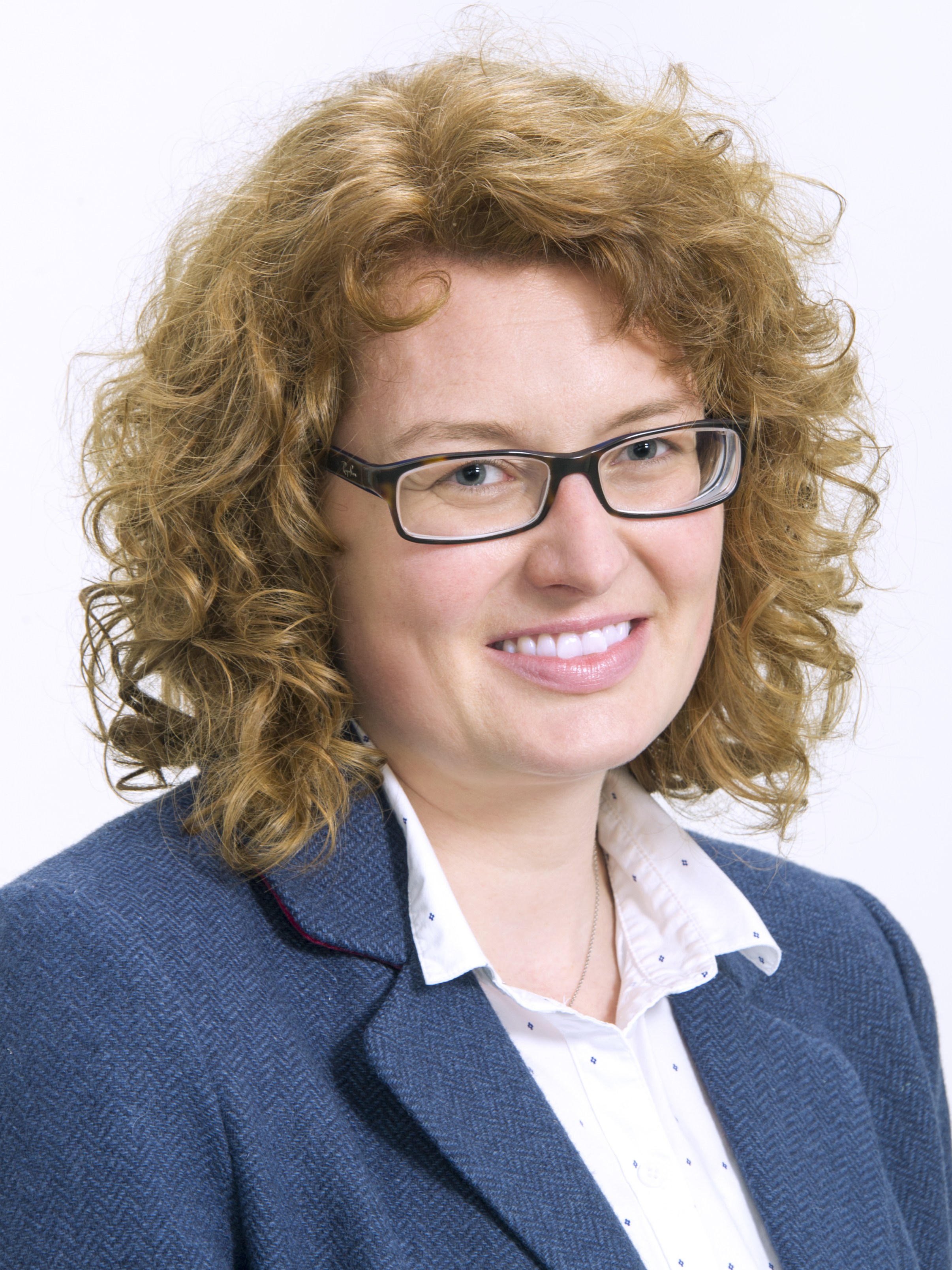
Caption: Dr. Sandra Reuter
Image source: Medical Center - University of Freiburg
Contact:
Dr. Sandra Reuter
Research Group Leader
Institute for Infection Prevention and Hospital Hygiene
Uniklinik Freiburg
Phone: 761 270-82350
sandra.reuter@uniklinik-freiburg.de
Back
Medical Center - University of Freiburg
Central Information
Phone: 0761 270-0
info@uniklinik-freiburg.de
For press inquiries:
Corporate Communications
Breisacher Straße 153
79110 Freiburg
Phone: 0761 270-84830
kommunikation@uniklinik-freiburg.de