
New map of the immune system created at border regions of the brain
Freiburg researchers redefine cellular composition of the brain's immune barrier / Study published in the journal Nature Medicine
The brain is protected from potentially harmful influences from the outside world by several barriers. Researchers at the Faculty of Medicine - University of Freiburg have succeeded in creating a novel immune cell atlas of these border zones of the brain using the latest high-resolution methods for examining individual cells. As the scientists from the Institute of Neuropathology at the Medical Center - University of Freiburg and an international research team have shown, various immune cells are found early on in brain development. Until now, little was known about the development of these important border regions in humans. For the first time, they were able to show that these cells are partially replaced by bone marrow cells after birth. Their investigations, which were published in the journal Nature Medicine on December 20, 2023, were carried out on human samples. They are likely to provide important insights into the development and treatment of brain diseases.
"We were able to show that the border regions of the human brain we investigated are guarded by diverse defense cell populations. These cells are already present before birth and are gradually replaced by new cells from the bone marrow in the course of life. These new cells integrate almost completely into the existing defence cell network," said Prof. Dr. Marco Prinz, member of the Faculty of Medicine - University of Freiburg, Medical Director of the Institute of Neuropathology at the Medical Center - University of Freiburg and head of the Collaborative Research Center/Transregio 167 - NeuroMac. "When necessary, such as in glioblastomas, the most common brain tumors, there is increased immigration of new immune cells," says Prinz, who was awarded the Leibniz Prize for his research in 2020.
The border regions of the brain shield the brain from damaging environmental factors. They play a decisive role in the defense against infections such as meningitis. In the case of damage to the brain tissue in the context of brain tumors, Alzheimer's disease or infarcts, they guide further scavenger and defense cells to the pathological process.
Significance for brain tumors, multiple sclerosis and co.
The investigated border regions of the human brain are highly dynamic organs that ensure normal brain function. In addition to their barrier function, they provide immune cells with access to the brain. In this way, they ensure that specialized cells reach the right place. The investigations may provide new insights for future therapies that make use of the properties of the border regions. These include, for example, the treatment of cerebral amyloid angiopathy, a blood vessel disease of the brain that has not been treatable to date and leads to fatal bleeding in old age.
A molecular microscope unlocks the secrets of tiny precious samples
Despite their importance for brain function, the border regions of the brain are very delicate. At their thinnest point, they are about the thickness of a human hair. In order to elicit new insights from these structures, some of which are barely visible, the researchers led by the two first authorsDr. Roman Sankowski and Dr. Patrick Süß from the Institute of Neuropathology used modern, highly sensitive molecular methods. They carried out large-scale single-cell sequencing for thousands of genes and used highly specialized antibodies to simultaneously examine over a hundred surface proteins per cell. The material studied was obtained in collaboration with the Department of Neurosurgery, the Department of Medicine I (Haematology, Oncology and Stem Cell Transplantation), the Department of Obstetrics and Gynecology and specialized tissue banks at the Medical Center - University of Freiburg. "The methods used are among the best currently available in terms of sensitivity and data quality; just right for the very small, valuable samples," explains Sankowski, senior consultant at the Institute of Neuropathology. He is a fellow of the IMMediate Program for Advanced Clinician Scientists at the Freiburg University Medical Center, which is funded by the German Federal Ministry of Education and Research.
Researchers from Freiburg, Munich, Berlin and Erlangen were involved in the study.
Original title of the study: Multiomic spatial landscape of innate immune cells at human central nervous system borders
DOI: 10.1038/s41591-023-02673-1
Link to the study: https://www.nature.com/articles/s41591-023-02673-1
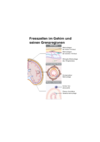
Caption: The border areas of the brain are well protected.
Image source: Medical Center - University of Freiburg
Back
Medical Center - University of Freiburg
Central Information
Phone: 0761 270-0
info@uniklinik-freiburg.de
For press inquiries:
Corporate Communications
Breisacher Straße 153
79110 Freiburg
Phone: 0761 270-84830
kommunikation@uniklinik-freiburg.de