Faster and more precise: New high-performance MRI at the Medical Center - University of Freiburg
With the new MRI machine, it will also be possible in future to examine people who were previously not allowed in the scanner due to their state of health / Technology analyzes patients' breathing patterns and calculates out motion blurringFor many examinations performed in a magnetic resonance imaging (MRI) scanner, it is necessary to hold your breath. However, some patients are unable to do this due to their state of health - the result is blurred images, which makes diagnosis more difficult. Since mid-March, the Department of Radiology at the Medical Center - University of Freiburg has been one of the first clinics in the world to be equipped with the new high-performance "Magnetom Vida" MRI scanner from Siemens, which calculates out breathing movements. The performance of the device is significantly higher than that of conventional MRIs, enabling much faster and more detailed images than before. As a result, this imaging procedure is now also available to patient groups for whom an MRI examination was previously out of the question, for example due to cardiac arrhythmia, severe obesity or because their state of health did not permit active support of the examination procedure by holding their breath.
"The new MRI analyzes the patient's breathing pattern and extracts the body movements caused by breathing from the image during the scan," says Prof. Dr. Mathias Langer, Medical Director of the Department of Radiology at the Medical Center - University of Freiburg. "This now also makes it possible to examine patients who can only hold their breath for a very short time." The new MRI also provides consistently clear images in these cases. This makes it easier to detect tumors or metastases. Another major advantage of the new technology is the shorter exposure time. This is a huge relief for children or older people, as they no longer have to lie in the MRI scanner for so long. "MRI examinations are now much more comfortable for these patients," says Prof. Langer.
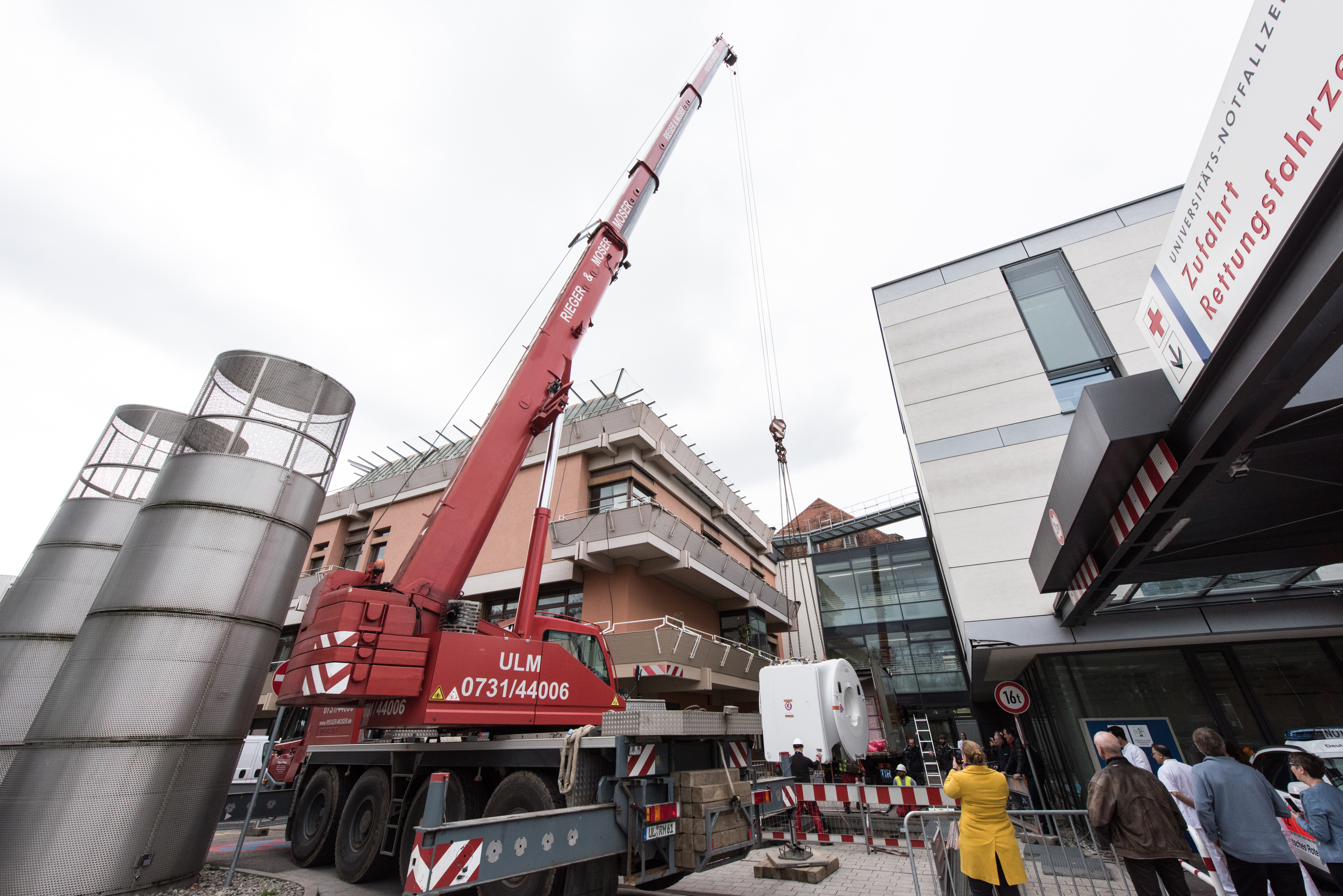
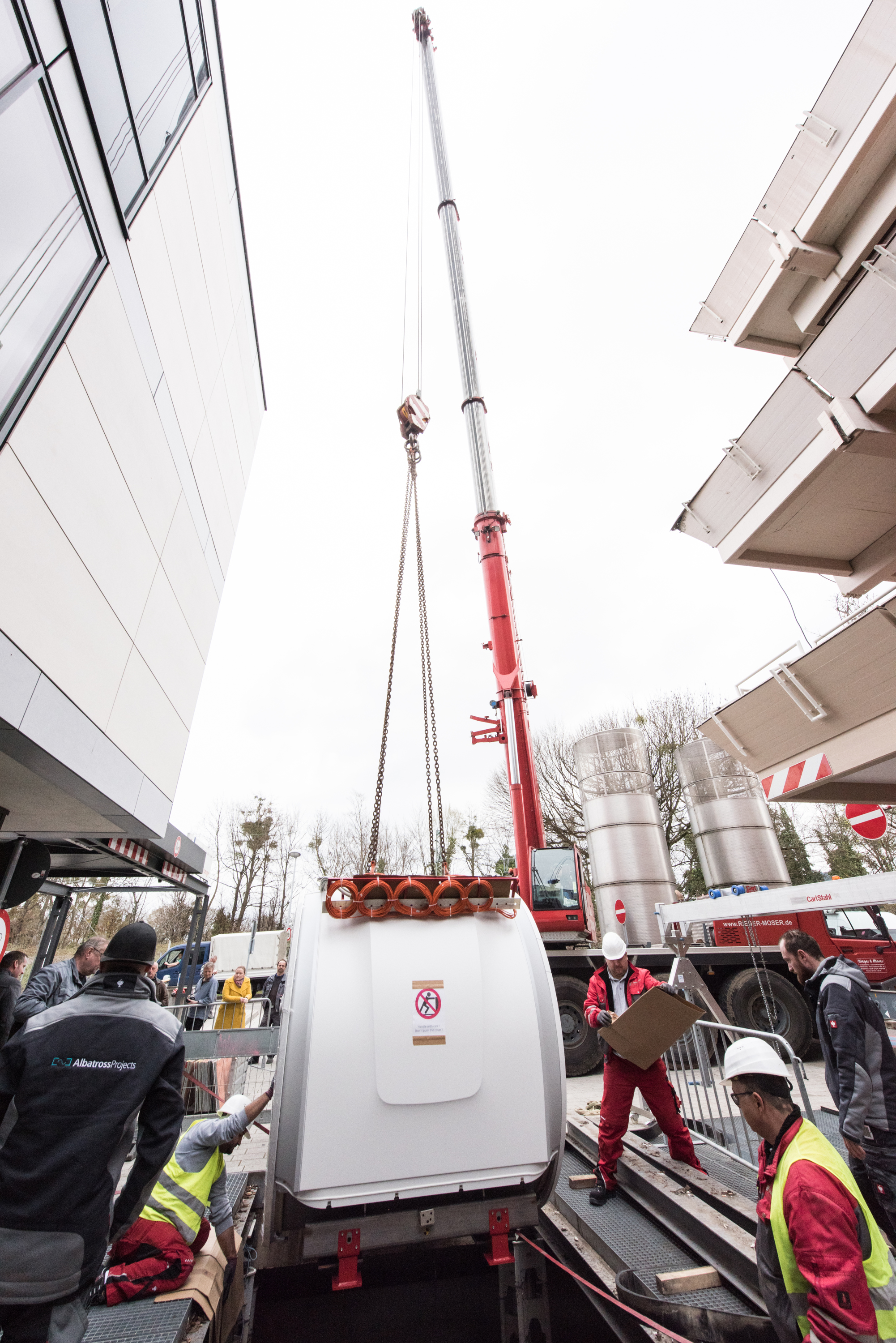
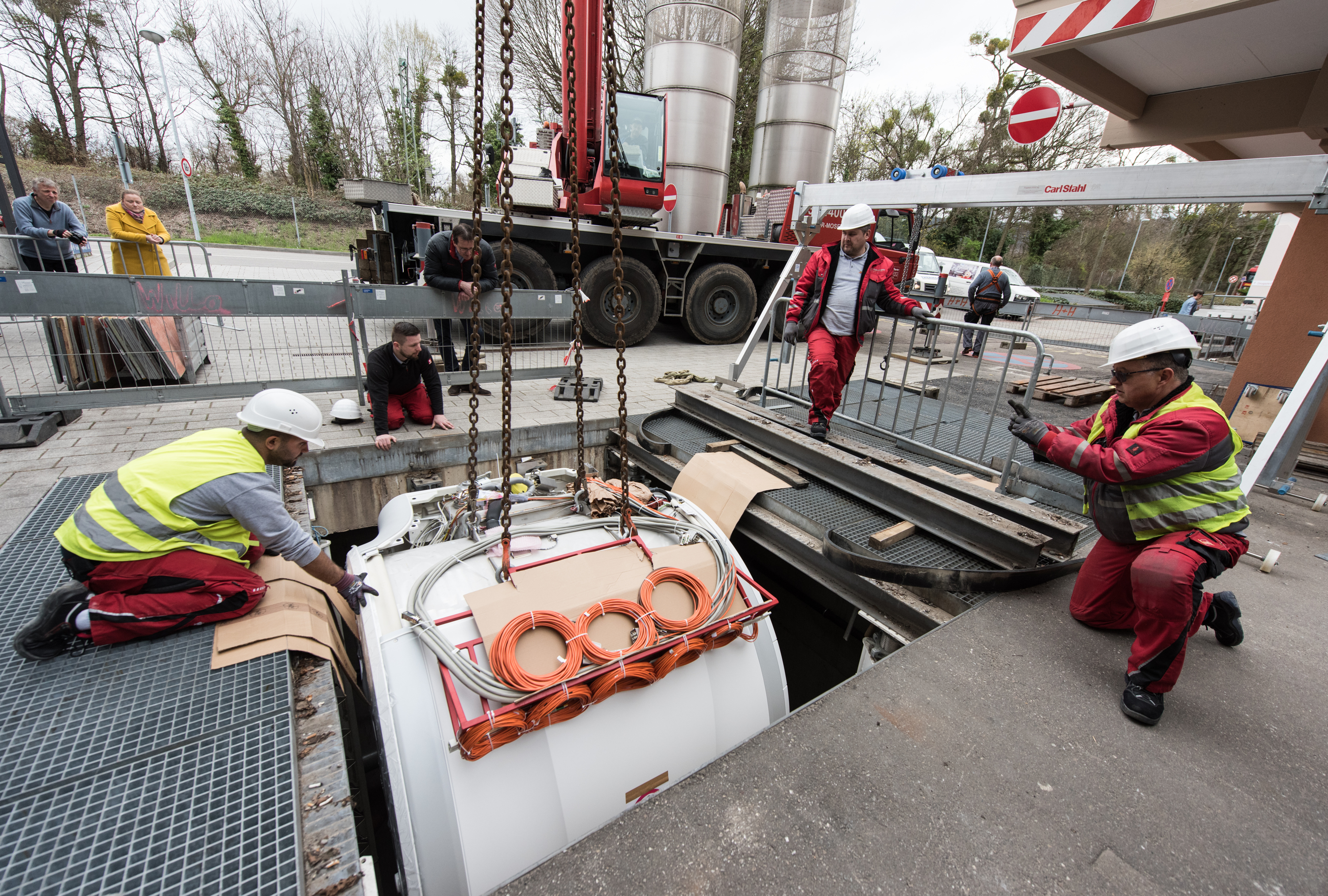
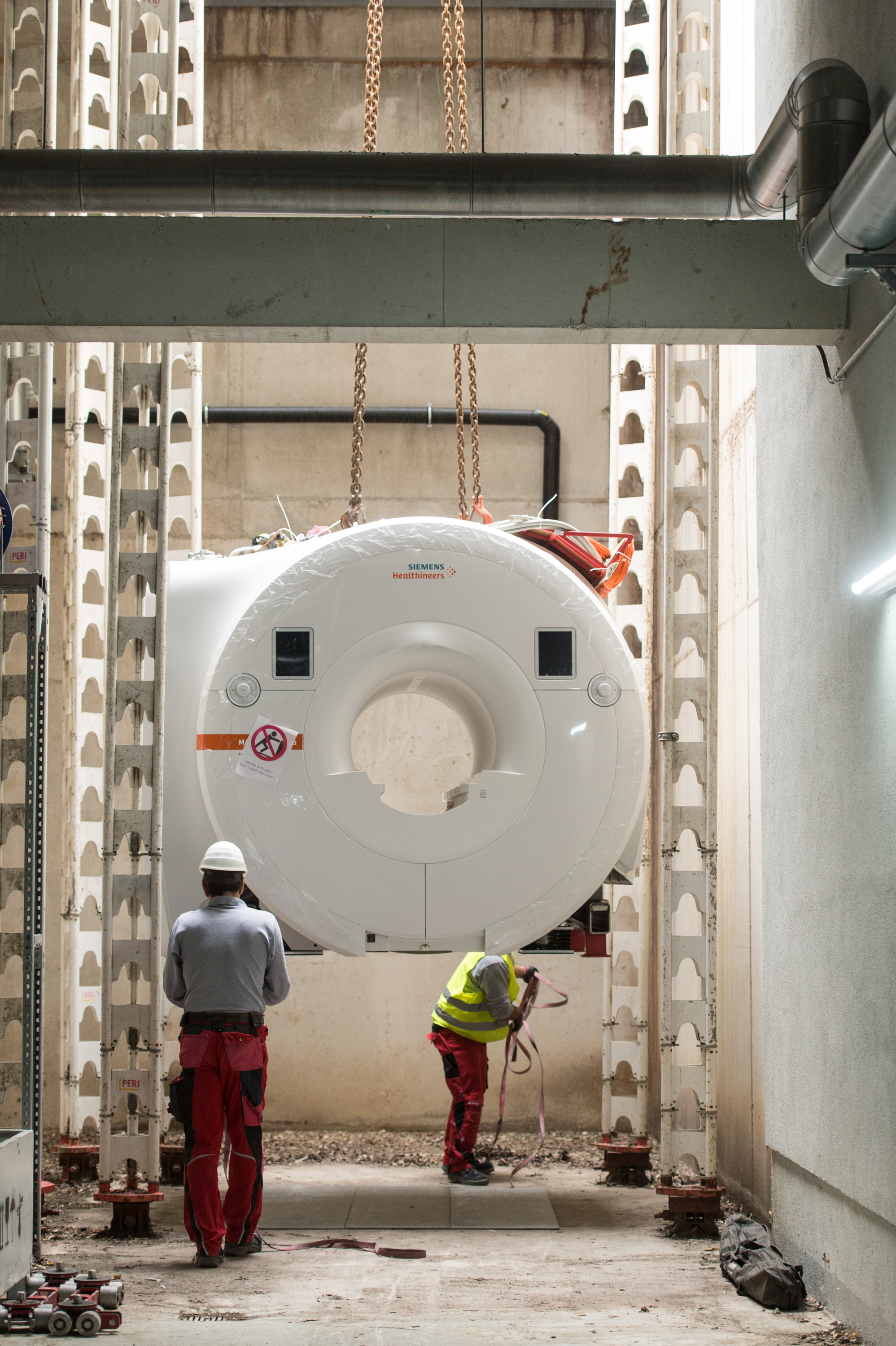
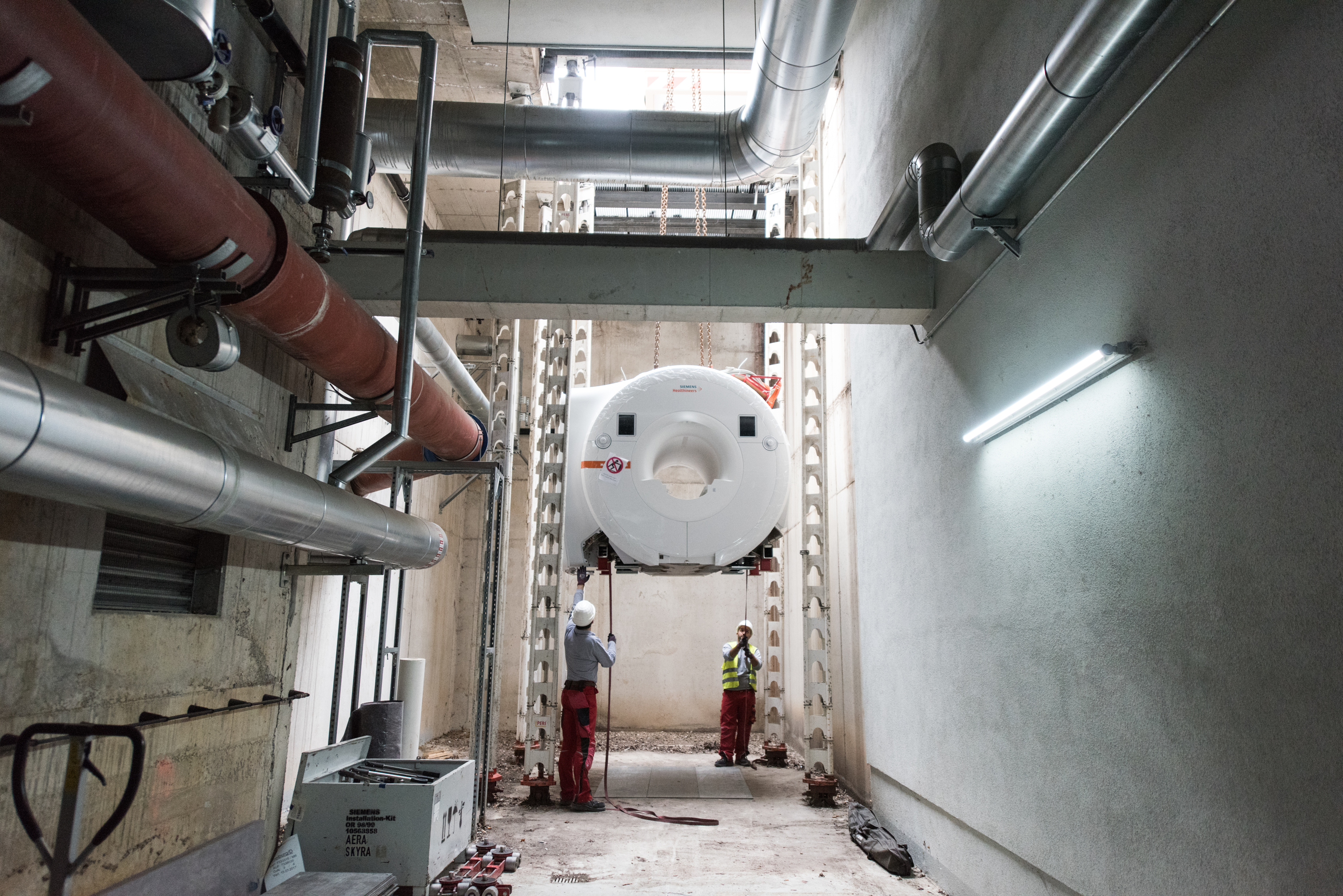
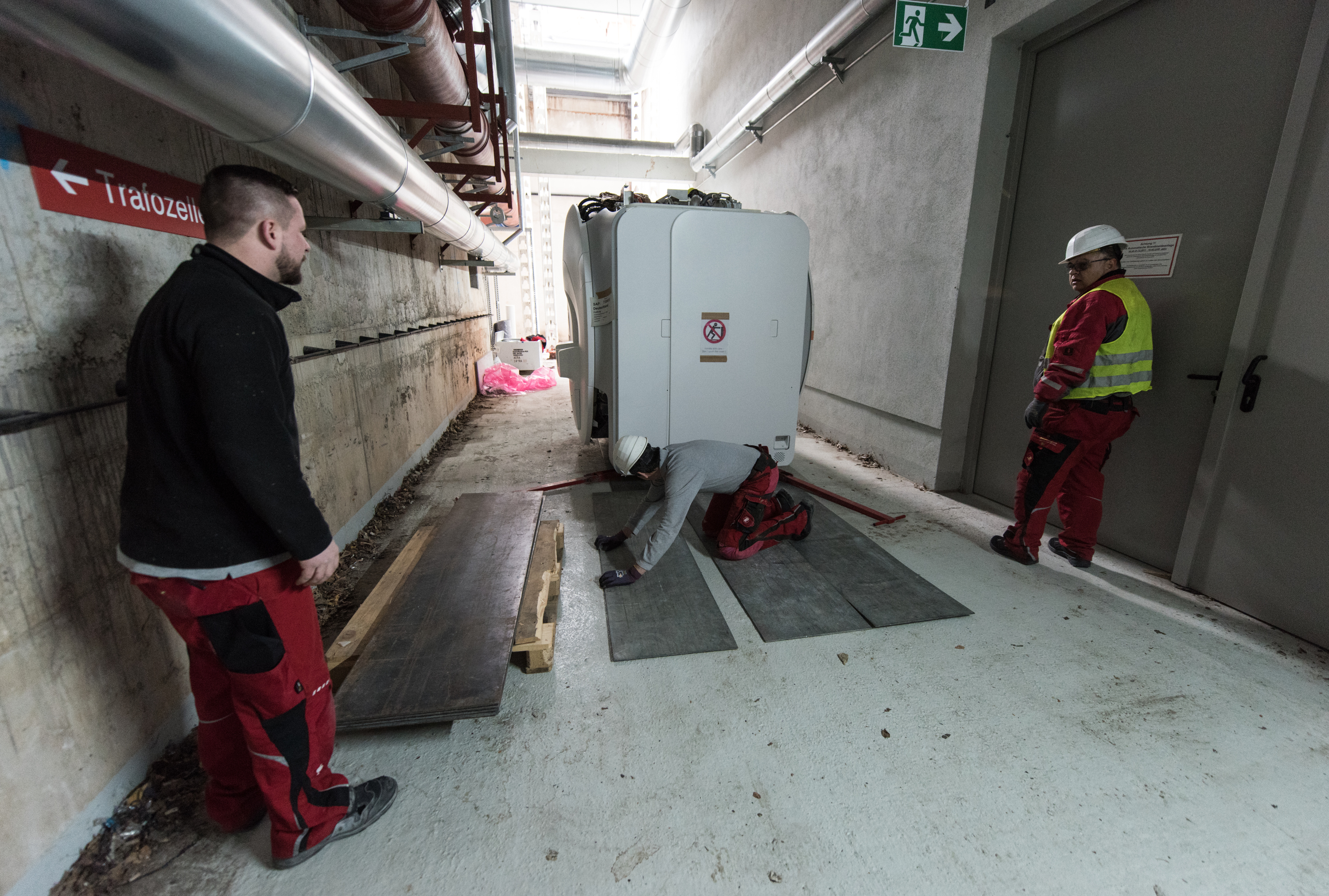
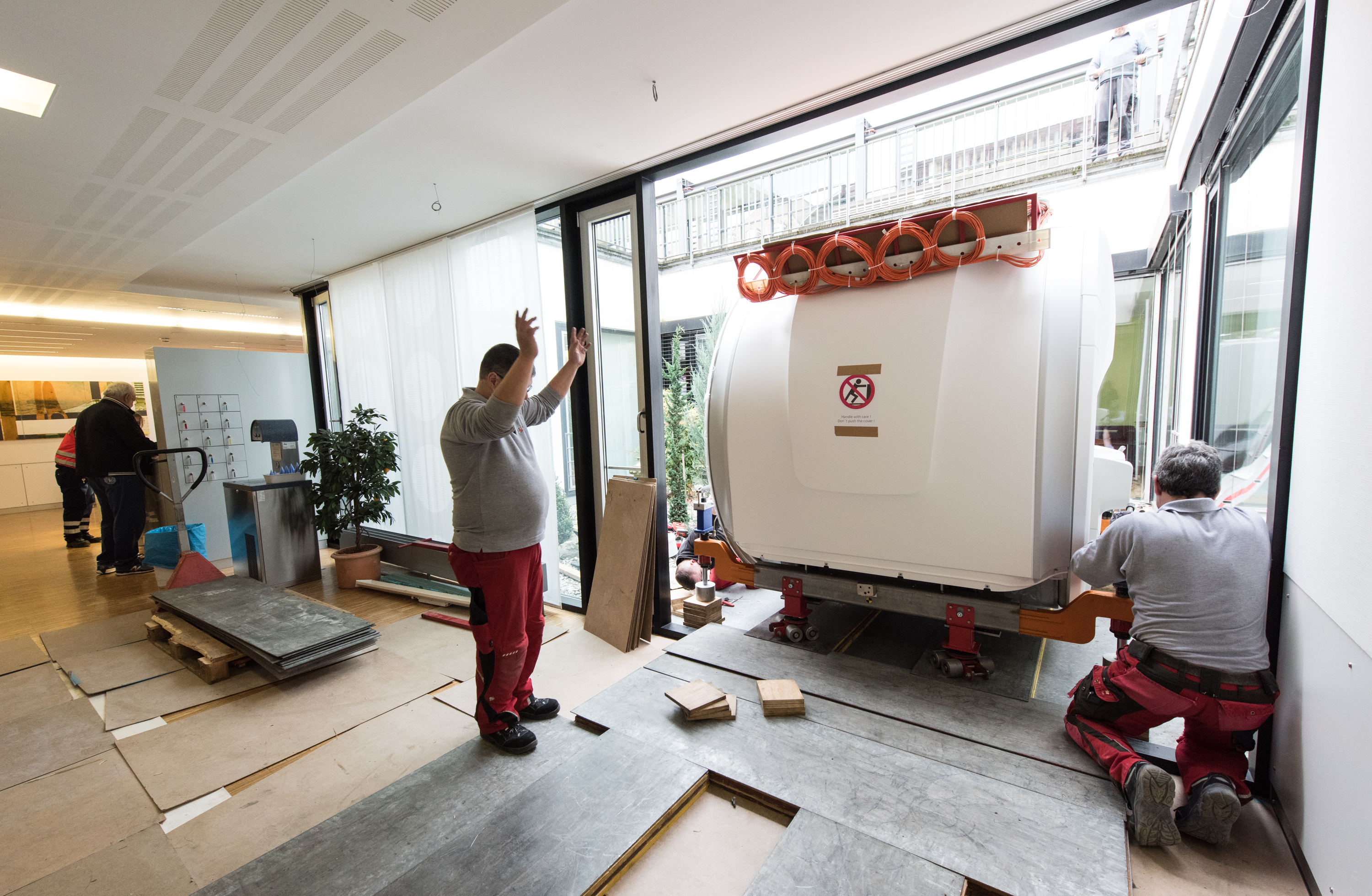
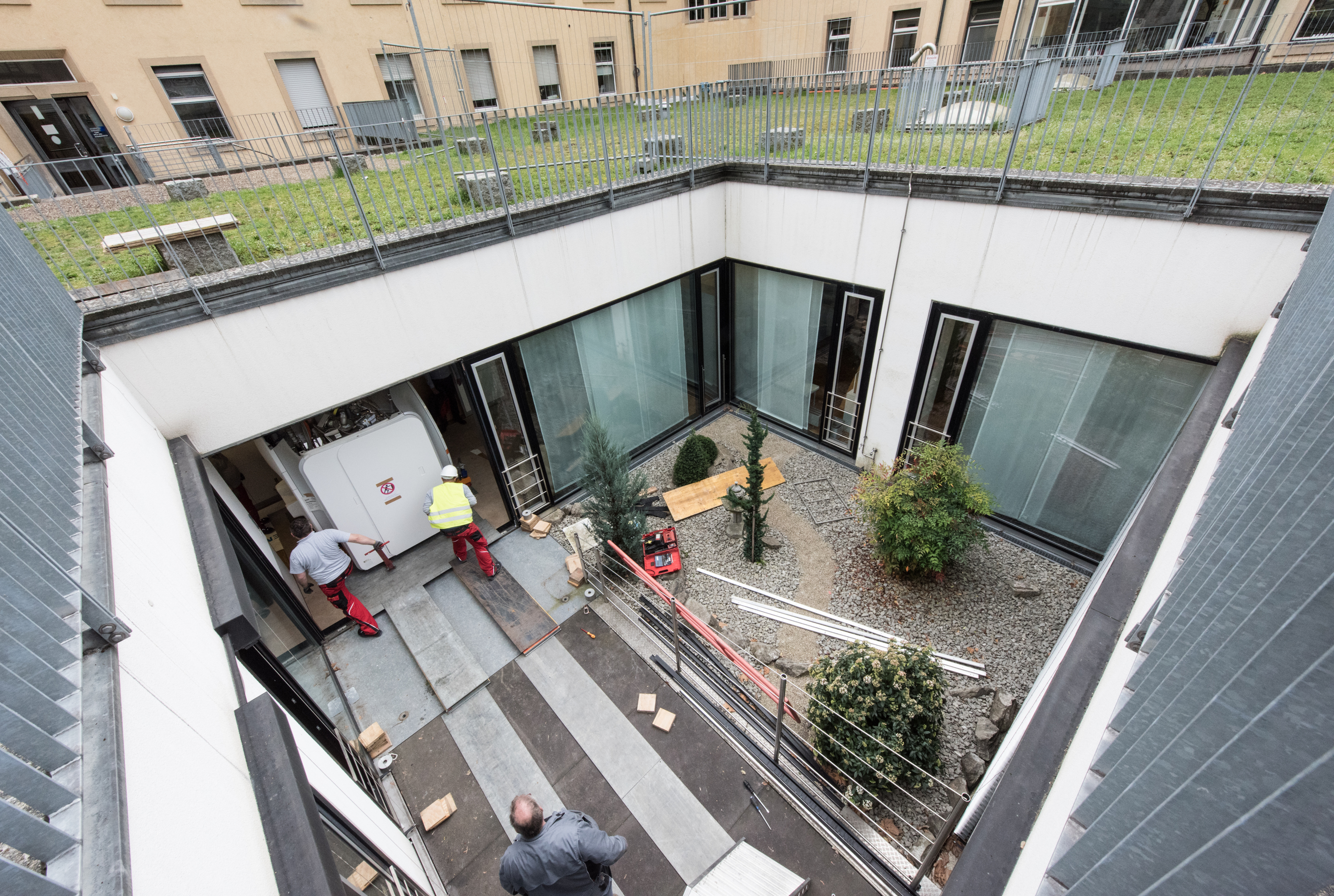
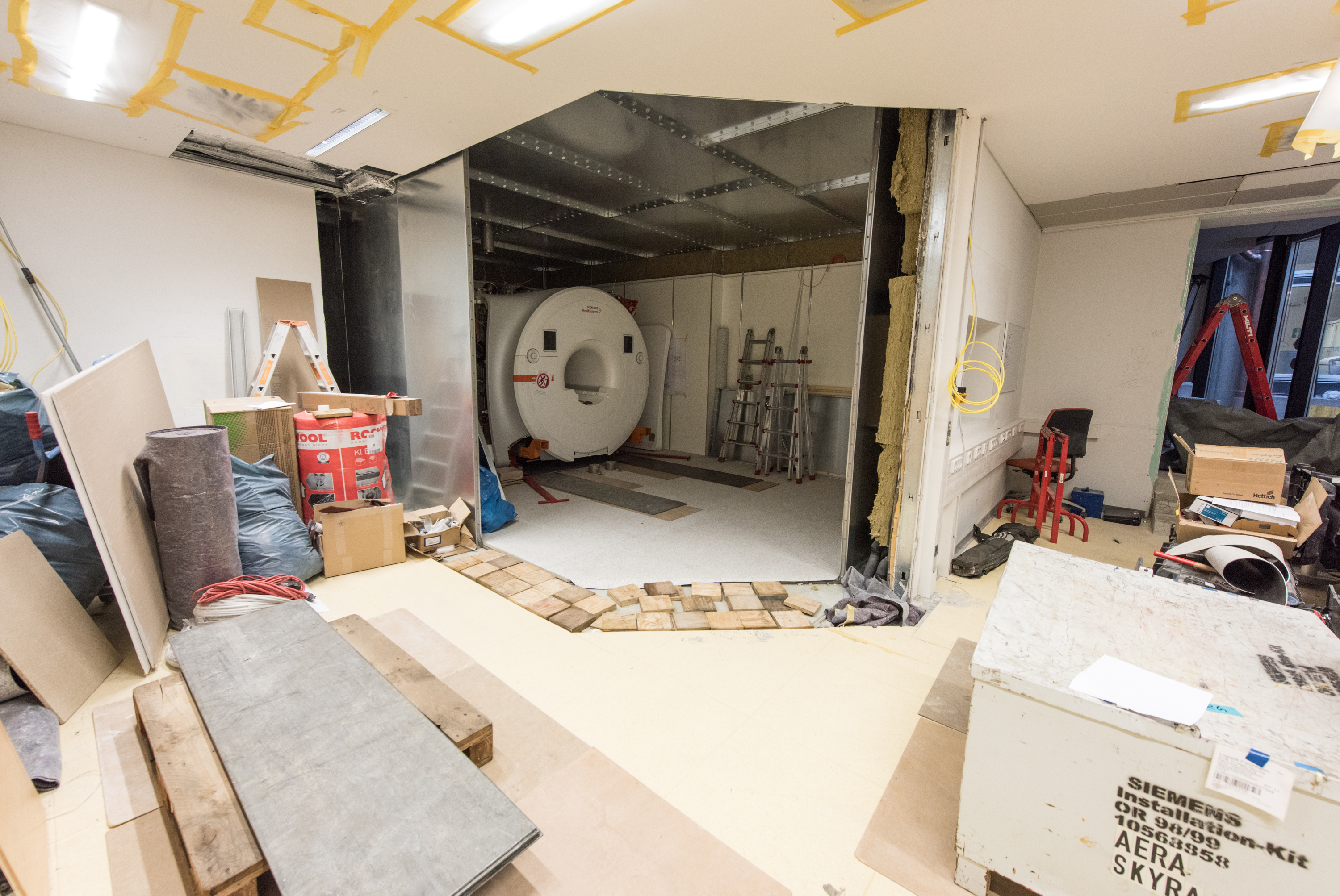
In order for the high-performance MRI to be used for patients at the Medical Center - University of Freiburg from April, a lot of preparatory work was necessary. Gratings and windows had to be removed in advance. A crane was used to transport the device, which weighs around eight tons and is almost two meters tall, into the rooms of the Radiology Clinic's sectional imaging center. It was lifted from the truck into a cellar shaft. It was then moved underground through a corridor specially designed for this purpose to below the sectional imaging center. A lifting platform at the other end of the corridor transported it one floor up again: The MRI had now arrived at the same level as the sectional imaging center. From there, it could finally be fully assembled at its destination, a newly equipped examination room in the radiology department. The Medical Center - University of Freiburg's Business Unit 5 - Construction and Technology provided support for this feat. Thanks to the excellent cooperation, both the preparatory work and the installation of the scanner could be carried out during ongoing operations. The costs for the magnetic resonance tomograph are in the seven-figure euro range.
Background: Magnetic resonance imaging
Magnetic resonance imaging (MRI) is a cross-sectional imaging technique that allows soft tissue structures inside the body to be visualized very well and without harmful radiation. In an artificial magnetic field, some of the magnetic moments of the hydrogen atoms in the body tissue are aligned and excited by radio frequency waves, whereupon they return to their original state. Depending on the structure and water content of the tissue, different signals are emitted, which are used to calculate the sectional image. Increasingly fast imaging techniques even make it possible to show organs in motion, such as a beating heart.
Caption images 1-3: A crane had to be set up to lift the approximately eight-ton MRI device from the transporter. The MRI machine first goes down a shaft into the basement.
Caption images 4-6: Step by step, the new high-performance MRI scanner is moved through an underground corridor towards the sectional imaging center.
Caption images 7-8: A lifting platform brings the MRI back out into the daylight. In order for it to be moved to its destination, windows even had to be removed.
Caption Image 9: The new high-performance MRI has arrived in the treatment room intended for it in the radiology clinic. The room and MRI can now be completed.
Image rights: Medical Center - University of Freiburg/Patrick Seeger
Contact:
Prof. Dr. Mathias Langer
Medical Director
Department of Radiology
Uniklinik Freiburg
Phone: 0761 270-38050
mathias.langer@uniklinik-freiburg.de