
Deep brain stimulation reliably alleviates severe depression
World's largest study with 16 participants shows very good results over one year / Deep brain stimulation significantly alleviated the previously most treatment-resistant depression in all patients / Study published in Neuropsychopharmacology
People with severe, treatment-resistant depression can benefit not only acutely but also in the long term from deep brain stimulation, as researchers from the University Medical Center Freiburg and the University Medical Center Bonn have shown in a recent study. In the 16 patients, a part of the reward system in the brain was stimulated using wafer-thin electrodes, which led to a significant improvement in all patients' symptoms. On average, the severity of the depression was halved and half of the test subjects were even below the level at which one speaks of depression requiring treatment. Most patients responded to the stimulation in the first week and the positive effects continued throughout the one-year study. The study was published online in advance on Thursday, March 14, 2019 in the Nature journalNeuropsychopharmacology .
"The study is unique worldwide in terms of the number of patients and the effect achieved. We were able to show for the first time in a large study that deep brain stimulation is a serious option for patients with severe depression," says study leader Prof. Dr. Thomas Schläpfer, Head of the Department of Interventional Biological Psychiatry at the Department of Psychiatry and Psychotherapy at the Freiburg University Medical Center.
Success after dozens of failed therapies
It is estimated that ten to 30 percent of all people with recurrent depression do not respond to approved therapies. For some of these people, deep brain stimulation could be a treatment option. The 16 participants in the FORSEE II study suffered from severe depression for between 8 and 22 years and had previously undergone an average of 18 drug therapies, 20 electroconvulsive therapies and 70 hours of psychotherapy - without success.
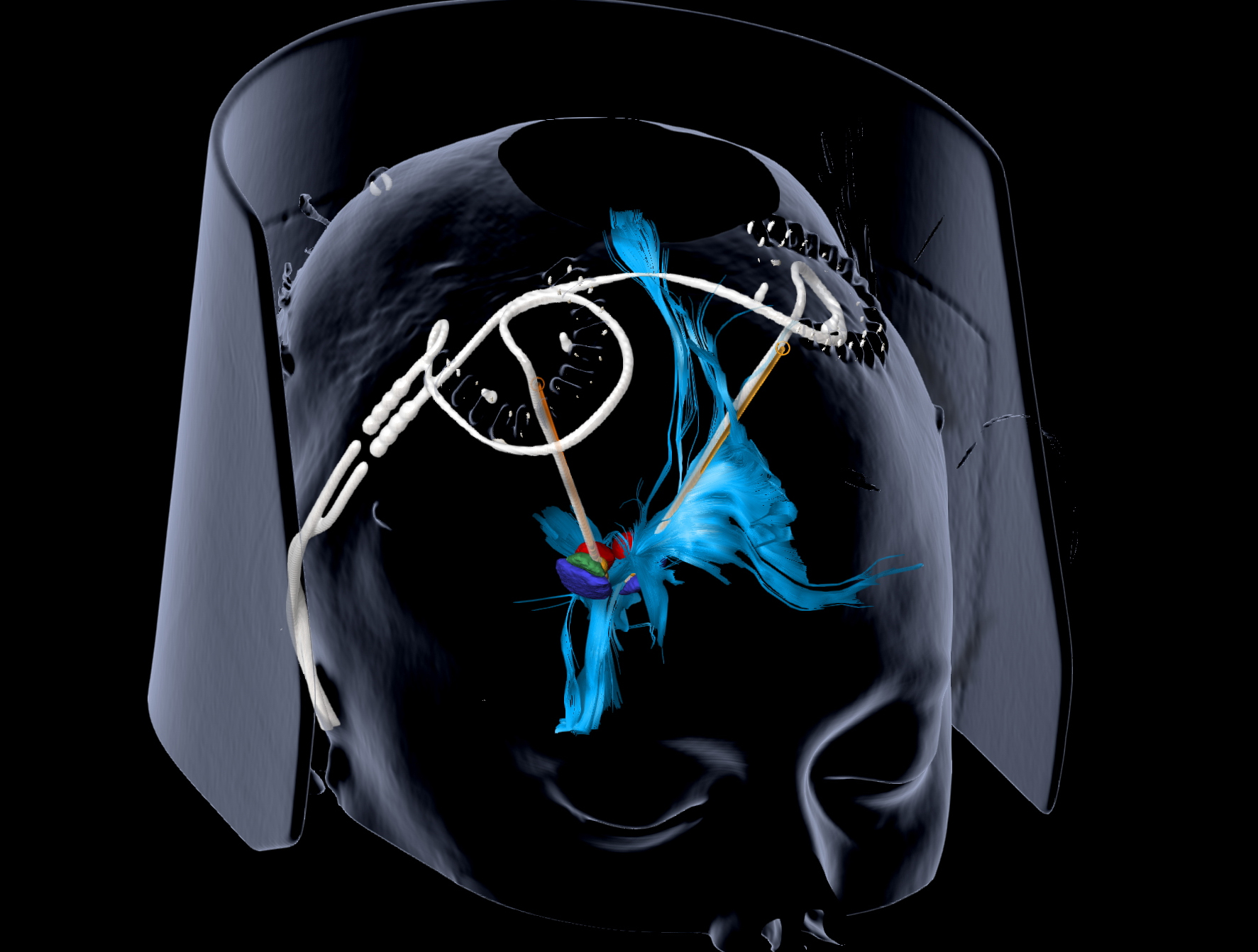
Prof. Dr. Volker A. Coenen, first author of the study and head of the Department of Stereotactic and Functional Neurosurgery at the Department of Neurosurgery at the Freiburg University Medical Center, and his team implanted the wafer-thin electrodes in the patients and used them to stimulate the medial forebrain bundle. This area of the brain is involved in regulating the perception of pleasure and reward and is therefore also important for motivation and quality of life.
Significant relief often within days
The doctors assessed the effect of the therapy on a monthly basis using the established Montgomery-Asberg Depression Rating Scale (MADRS). Already in the first week, the MADRS value fell significantly in ten test subjects and remained at a low level. Over the course of the study, all subjects responded to the stimulation. Eight of the 16 patients had a MADRS score of less than 10 points at the end of the study and were therefore not considered depressed.
"Our patients have struggled with severe depression for years and nothing has brought improvement. Deep brain stimulation led to significant relief for most of them within days, which then lasted throughout. Other forms of therapy such as medication or psychotherapy often lose their effectiveness over time. The absolutely sensational thing about the data is that the effect of the therapy seems to be long-lasting, the positive effects last for years," says Prof. Schläpfer. "We know from a pilot study that the stimulation of this area of the brain is very promising and are pleased with the clear effects shown here again in the same form," says Prof. Coenen.
Hope for European approval of the procedure
Building on the results of the recently published study, the Freiburg researchers began their third study (FORESEE-III) in October 2018. In this study, 50 severely depressed patients are to be treated. 15 patients have already undergone surgery. "If the follow-up study is as successful as the current one, there is great hope that the procedure will be approved for use in Europe," says Prof. Schläpfer.
Caption: The Freiburg doctors used two electrodes to stimulate the medial forebrain bundle (blue), which is involved in the perception of pleasure and reward, in severely depressed patients.
Image source: Freiburg University Medical Center
Original title of the study: Superolateral Medial Forebrain Bundle Deep Brain Stimulation in Major Depression - A Gateway Trial
DOI: 10.1038/s41386-019-0369-9
Link to the study: www.nature.com/articles/s41386-019-0369-9
Contact:
Prof. Dr. Thomas Schläpfer
Head of the Department of Interventional Biological Psychiatry
Department of Psychiatry and Psychotherapy
University Medical Center Freiburg
Phone: 0761 270-68820 or 0761 270-50210
thomas.schlaepfer@uniklinik-freiburg.de
Back
Medical Center - University of Freiburg
Central Information
Phone: 0761 270-0
info@uniklinik-freiburg.de
For press inquiries:
Corporate Communications
Breisacher Straße 153
79110 Freiburg
Phone: 0761 270-84830
kommunikation@uniklinik-freiburg.de