
Online lecture: Epigenetics - the interface between risk and resilience in mental illnesses
Prof. Dr. Dr. Katharina Domschke at the Medical Center - University of Freiburg is researching how life experiences affect genes and the significance of epigenetics in depression and anxiety disorders / Online lecture on June 9th
Traumatic events and other experiences leave traces in our genetic material in the form of epigenetic changes. These do not affect the genetic material itself, but the activity of genes. For example, they can influence the body's response to stressful events. Prof. Dr. Dr. Katharina Domschke,Medical Director of the Department of Psychiatry and Psychotherapy at the Medical Center - University of Freiburg, has long been researching this link between the environment, genes and mental illness. In the online lecture "Epigenetics - Interface between risk and resilience in mental illness" on Wednesday, June 9, 2021 at 6:30 p.m., she will report on her research and new promising approaches for the diagnosis and treatment of mental illness. The livestream of the lecture will be broadcast at www.uniklinik-freiburg.de/1hspitzenforschung. There will be an opportunity for questions after the 40-minute lecture.
The central topic of the lecture is the current state of research on the role of epigenetics in the development and treatment of mental illnesses. Using anxiety disorders and depression as examples, findings on epigenetic mechanisms and their interactions with life events will be presented. "Epigenetic mechanisms appear to have a central hinge function at the interface between genes and the environment. This makes them extremely important for the vulnerability-stress model of mental illness across the lifespan," says Domschke. The vulnerability-stress model provides information about a person's vulnerability and the associated susceptibility to mental illness. In the future, epigenetic profiles could be used in the sense of personalized medicine as an indication of individual disease risk and treatment response.
Personal details:
Prof. Dr. Dr. med. Katharina Domschke, M.A. (USA) studied medicine at the University of Münster and the University of Dublin, Ireland, and psychology at Boston University, USA. After completing her medical doctorate, habilitation, research and clinical work at Münster University Hospital and a PhD at Maastricht University, Netherlands, she joined the Department of Psychiatry and Psychotherapy at Würzburg University Hospital as a W2 professor in 2012, most recently as deputy director. Since 2016, Domschke has been Medical Director of the Department of Psychiatry and Psychotherapy at the Medical Center - University of Freiburg. She was a member of the Young Academy of Sciences - Leopoldina from 2011 to 2016 and has been a member of the National Academy of Sciences - Leopoldina since 2017.
The lecture series:
The lecture is part of the series "One Hour of Cutting-Edge Research" organized by the Medical Center - University of Freiburg and the Faculty of Medicine - University of Freiburg, in which Freiburg members of the National Academy of Sciences - Leopoldina give a broad audience insights into their research. The series is supported by the Leopoldina.
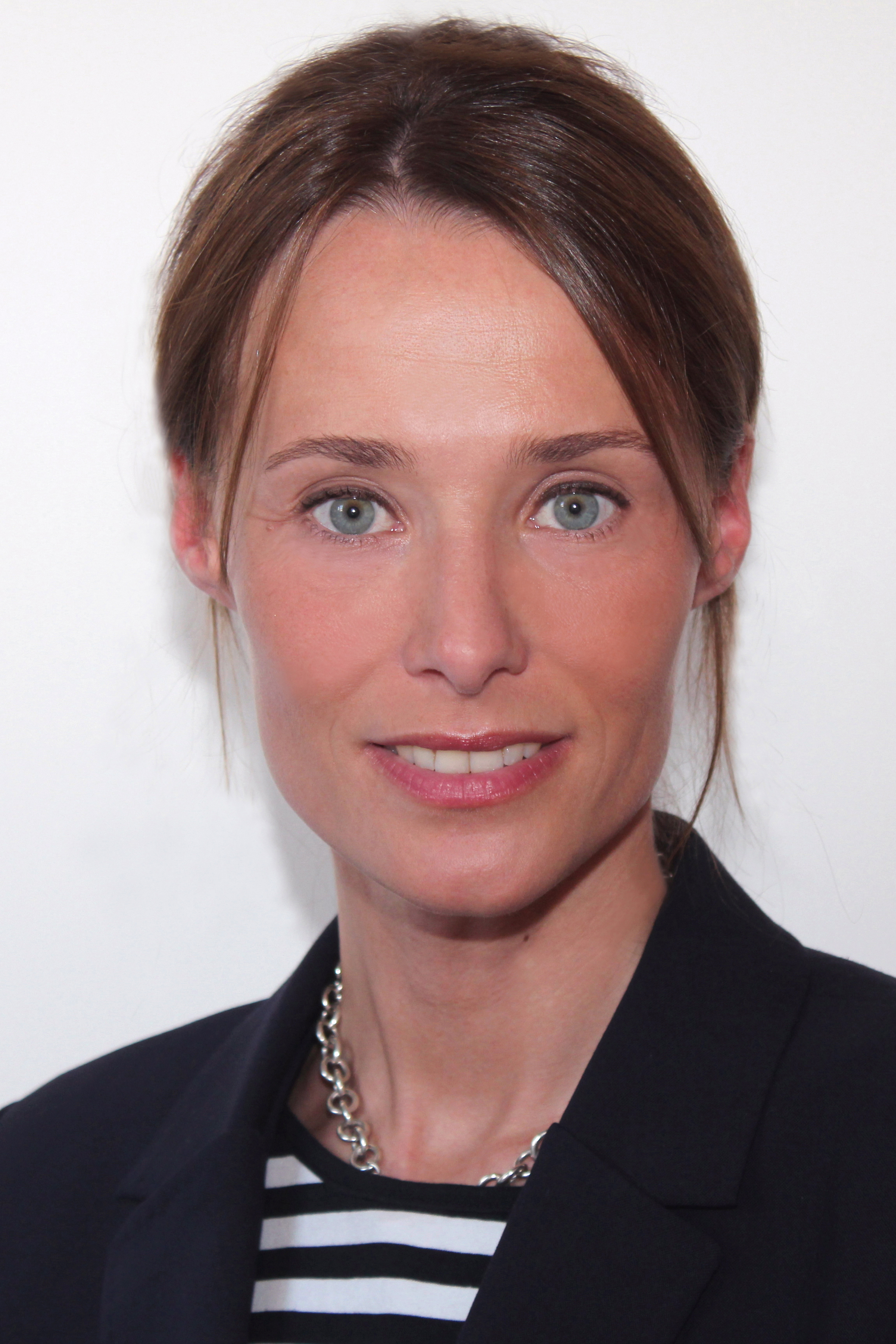
Caption: Prof. Dr. Dr. med. Katharina Domschke
Image source: private
Further date:
Wednesday, July 7, 2021, 6.30 p.m.
Prof. Dr. Charlotte Niemeyer, Medical Director of the Department of Pediatric Hematology and Oncology
Hereditary predisposition as a risk factor for leukaemia
Contact:
Johannes Faber
Press and Public Relations Officer
Uniklinik Freiburg
Phone: 0761 270-84610
johannes.faber@uniklinik-freiburg.de
Back
Medical Center - University of Freiburg
Central Information
Phone: 0761 270-0
info@uniklinik-freiburg.de
For press inquiries:
Corporate Communications
Breisacher Straße 153
79110 Freiburg
Phone: 0761 270-84830
kommunikation@uniklinik-freiburg.de