
Male mice have persistent concentration disorders after cured viral infection
Freiburg researchers find differences in the viral immune response in male and female mice / They show how the immune response in the brain leads to behavioral and concentration disorders / Publication in Nature Communications
Researchers at the Faculty of Medicine - University of Freiburg have shown that male mice exhibit long-lasting concentration and social behavioral disorders after an early, cured viral infection. Female mice, on the other hand, did not show these neuropsychological changes. The researchers published the results of the study on May 11, 2023 in the current issue of the renowned journal Nature Communications.
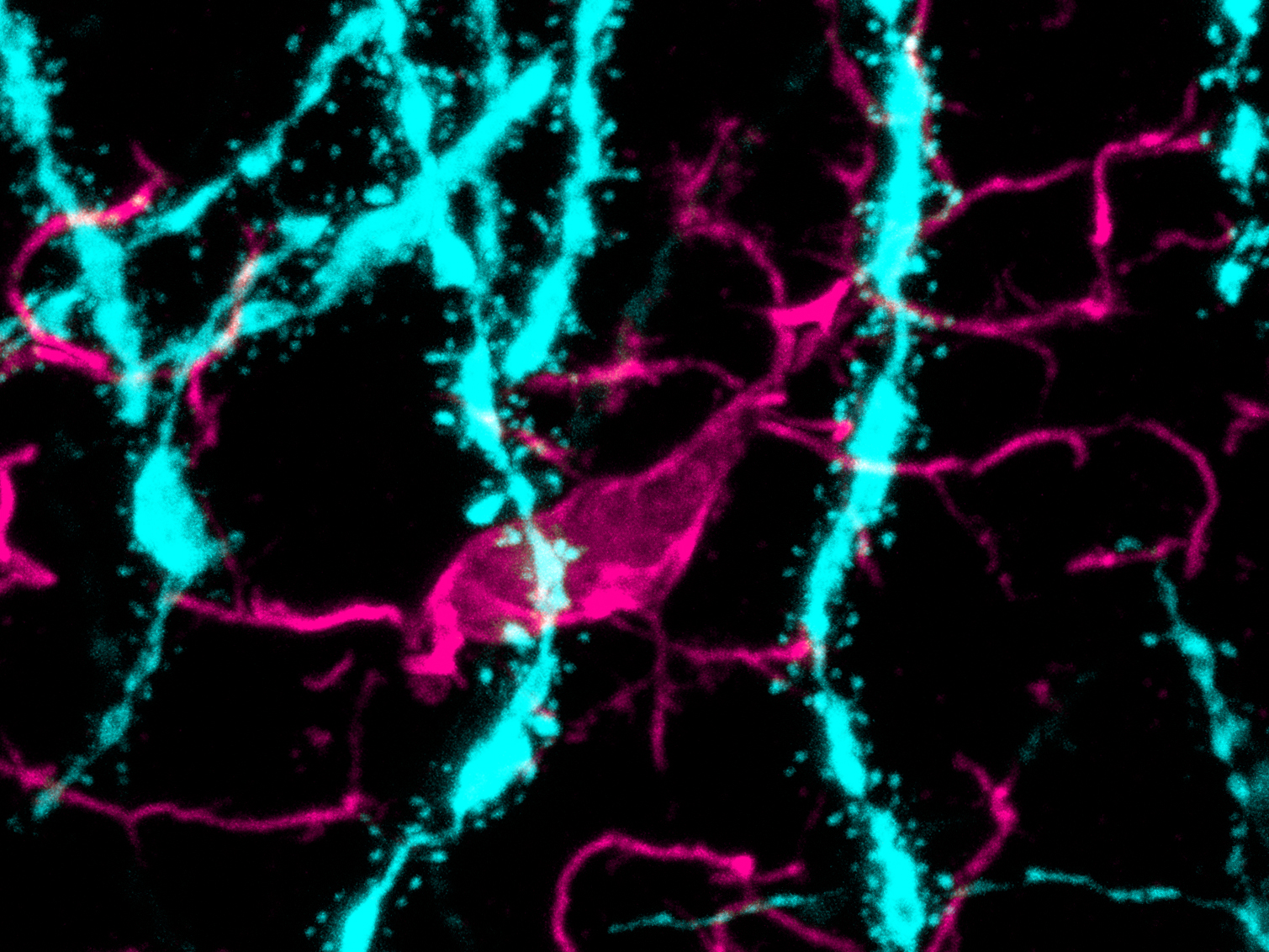
The scientists from the Institute of Neuropathology at the Medical Center - University of Freiburg were able to decipher the mechanisms that cause the neuropsychological disorders. They were able to detect an increase in T cells in the brains of male mice. It was also possible to observe how macrophages, also known as phagocytes, increasingly break down dendritic processes of nerve cells in the brain. These processes play an important role in learning. The molecular changes and neuropsychological abnormalities could not only be detected in a genuine viral infection. Even when a viral infection was mimicked with medication, the long-lasting concentration and behavioral disorders only occurred in male mice.
Messenger substance as the driving force
The acute course of the disease after exposure to the virus initially appeared to be similar in both sexes, but not for the messenger substance interferon gamma, which has an immunostimulating effect. "While the levels of numerous messenger substances in the spleen and brain of female and male mice did not differ, higher levels of interferon-gamma were detected in male mice after early immune stimulation," explains Dr. Marius Schwabenland, first author of the study and Fellow in the IMM-PACT Clinician Scientist Program of the Faculty of Medicine - University of Freiburg.
In further experiments, the researchers were able to prove that interferon-gamma is the driving force behind the changes they found. Specific antibodies that neutralize the messenger substance interferon-gamma were able to completely prevent the cellular and molecular changes and ultimately the long-lasting concentration and social behavioural problems.
"The biological meaning behind these gender-specific differences is not yet known to us," explains Dr. Thomas Blank, head of the research group at the Institute of Neuropathology and last author of the study. "Nevertheless, our findings and the fact that the male and female immune systems are obviously different will certainly be important in the clinic in the future. Among other things, these findings could be significant when it comes to the response of immunotherapies in men and women," explains Blank.
Further studies planned
"Long-lasting concentration disorders after a cured viral infection can also be observed in so-called long-COVID syndrome as a result of an infection with SARS-CoV-2. The extent to which the mechanisms identified in the mouse model could explain the changes in long-COVID must be investigated in further studies," explains Prof. Dr. Marco Prinz, Medical Director of the Institute of Neuropathology.
Prof. Dr. Robert Thimme, Medical Director of the Department of Medicine II at the Medical Center - University of Freiburg and spokesperson for the IMM-PACT Clinician Scientist Program, praises the close links between basic research and patient care. "Our qualification program offers young physicians optimal conditions for combining a scientific and clinical career. The knowledge gained in the research projects will contribute to improved treatment strategies for immune-mediated diseases."
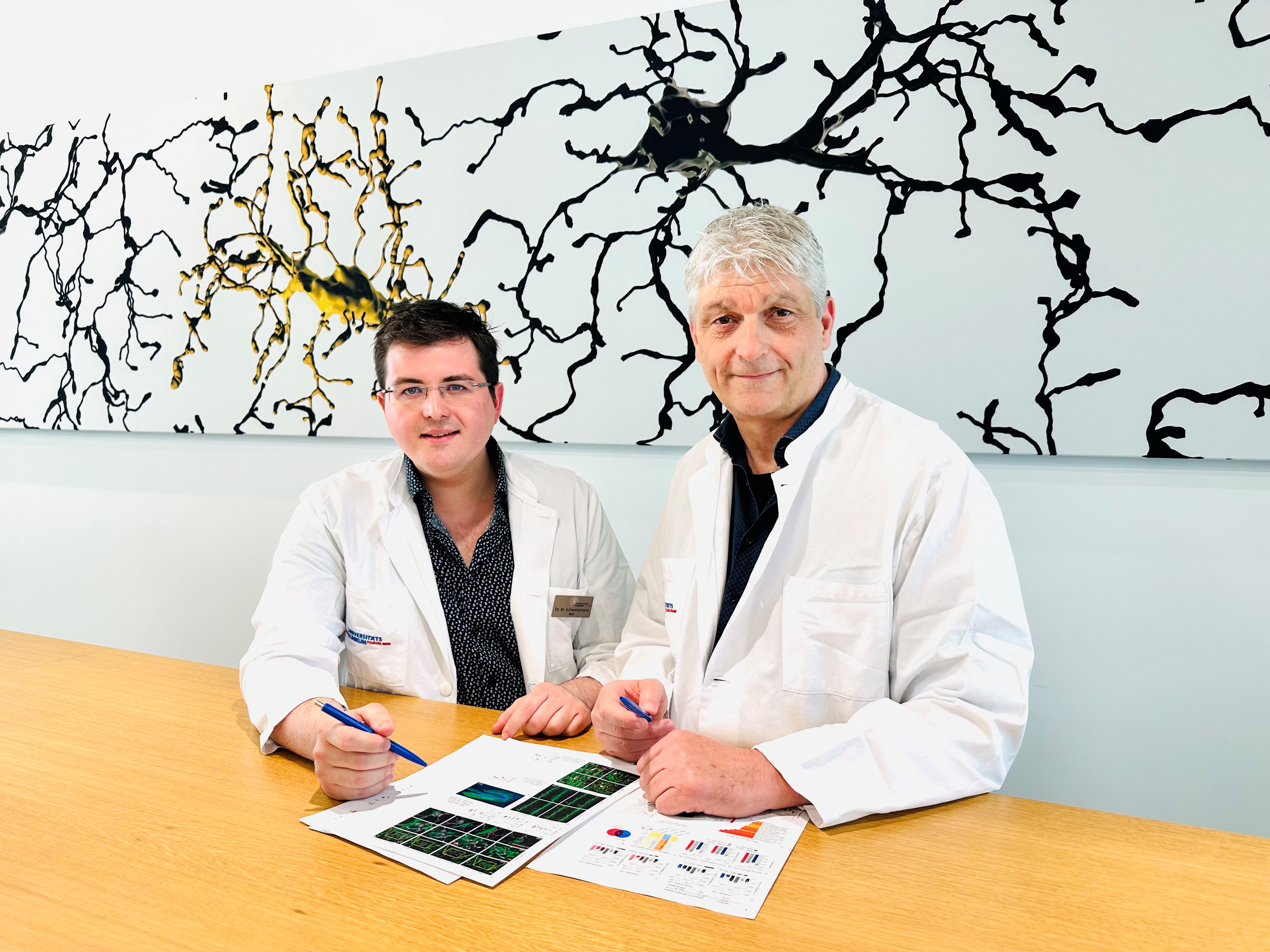
Image 1: In their study, Dr. Marius Schwabenland (left) and Dr. Thomas Blank (right) were able to show that early immunostimulation can be associated with long-lasting concentration and social behavior disorders in a gender-specific manner.
Image source: Medical Center - University of Freiburg
Figure 2: Increased degradation of dendritic spinous processes of nerve cells (turquoise) by spider-shaped microglial cells (pink) can be observed in the brains of male mice after immunostimulation.
Image source: Medical Center - University of Freiburg
Back
Medical Center - University of Freiburg
Central Information
Phone: 0761 270-0
info@uniklinik-freiburg.de
For press inquiries:
Corporate Communications
Breisacher Straße 153
79110 Freiburg
Phone: 0761 270-84830
kommunikation@uniklinik-freiburg.de