
Aorta recognized as an independent organ for the first time
International guidelines for aortic surgery published / Guidelines committee co-chaired by the Medical Center - University of Freiburg
The aorta, also known as the main artery, will in future be considered an independent human organ. This has now been defined in the guidelines for aortic surgery treatments of the European Association for Cardiothoracic Surgery (EACTS) and the US Society of Thoracic Surgeons (STS). The guidelines were published simultaneously on February 26, 2024. They were developed by international experts under the leadership of Prof. Dr. Martin Czerny, Medical Director of the Department of Cardiovascular Surgery at the Medical Center - University of Freiburg. The new classification of the aorta as an organ has far-reaching consequences, from the division of medical specialties to specific patient care.
Heart, lungs, brain, aorta: elevated to the highest league as an organ
"Recognition as an organ puts the aorta on a par with the heart, lungs or brain. That's a big step," says Czerny. Until now, it has been common for aortic diseases to be treated either in cardiac surgery or vascular surgery, depending on their type and location. "The new guidelines clearly recommend bundling the treatment of the aorta in a separate specialty, naturally in close coordination with other specialties. We have been practicing this integrative approach at the Medical Center - University of Freiburg for a long time and I am pleased that our work is now also gaining international recognition," says Czerny. "I am sure that this will improve the treatment of patients with aortic rupture and other serious diseases." The guidelines could also have an influence on the content of medical studies and advanced training.
Czerny has been one of the world's most cited scientists in the field of cardiovascular surgery for many years. Other physicians from the Department of Cardiovascular Surgery, the Department of Radiology and Interventional Radiology at the Medical Center - University of Freiburg and numerous international physicians were involved in the commission to develop the new guidelines under Czerny's leadership.
"The high level of expertise at the Medical Center - University of Freiburg in the field of cardiovascular medicine is a core pillar of our quality-centered, cutting-edge university medicine," says Prof. Dr. Frederik Wenz, Chief Medical Officer of the Medical Center - University of Freiburg. "Prof. Czerny and his team once again confirm the outstanding nationwide position of our University Heart Center Freiburg - Bad Krozingen," says Wenz.
The aorta has complex tasks and functions
The aorta is responsible for transporting oxygen-rich blood from the heart to the rest of the body. In recent years, it has become increasingly clear that it also plays an important role in regulating blood pressure and blood flow velocity. In addition, it is involved in the production of certain hormones and has its own layer of smooth muscle cells that help maintain its structure and function.
The new guidelines describe the procedure for diagnosing and treating diseases of the aorta such as aortic aneurysm. An aneurysm is an abnormal bulge in the aortic wall that carries a high risk of an acutely life-threatening rupture. If the aorta ruptures, emergency surgery is required. "These diseases require complex surgical interventions, which we can better understand, research and perform thanks to the holistic view of the aorta," says Czerny. "Very good follow-up care is also very important, as those affected often show dangerous changes in the aorta again later in life," says Czerny.
Guidelines support diagnosis and treatment
Clinical practice guidelines summarize and evaluate all relevant findings on a specific topic at the time they are drawn up. These guidelines take into account the risk-benefit ratio of various diagnostic or therapeutic methods. As an important tool, they support physicians in making decisions in their daily practice.
Treatment example:
Helga A. (59) was on her way home from a strenuous shift as a midwife in 2020. "It came out of the blue. I felt an incredible pressure in the left side of my neck, radiating down to my legs, and nausea," says A, who was sitting in the car at the time and suddenly couldn't move her legs. "I was aware that it was something threatening," says A. looking back. "I was in a lot of pain, but fortunately I was still able to express my wish to be taken to the Heart Center Freiburg - Bad Krozingen." In fact, the CT scan revealed a tear in the aorta very close to the heart, which was acutely life-threatening.
The operation was successful. "I learned that not everyone affected by a rupture of the aorta very close to the heart has the same luck as me," says A. In fact, half of those affected die within 24 hours if left untreated. "After I had survived everything, I felt like I had a second birthday," says A., who has experienced many birthdays herself as a midwife.
As with many patients with aortic aneurysms, A. experienced problems again. She needed a second operation in 2023, this time on the part of the aorta in the abdomen. The pathological changes were discovered during a follow-up examination, which A. regularly attends at the Aortic Center of the University Heart Center. "That also went well and I'm looking forward to the future," says the patient.
Further information:
https://academic.oup.com/ejcts/article/65/2/ezad426/7614462
https://www.annalsthoracicsurgery.org/article/S0003-4975(24)00077-8/abstract
Caption:
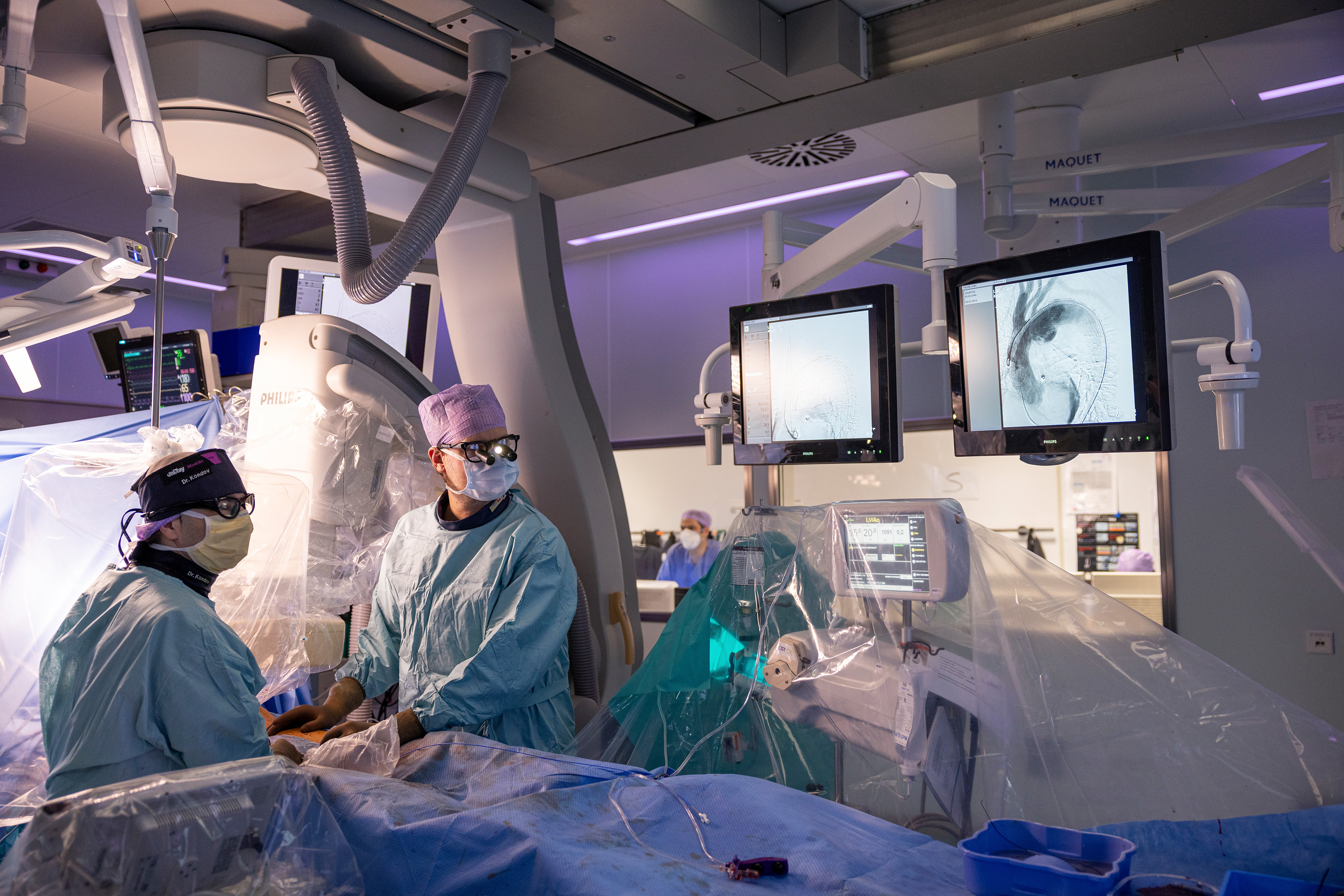
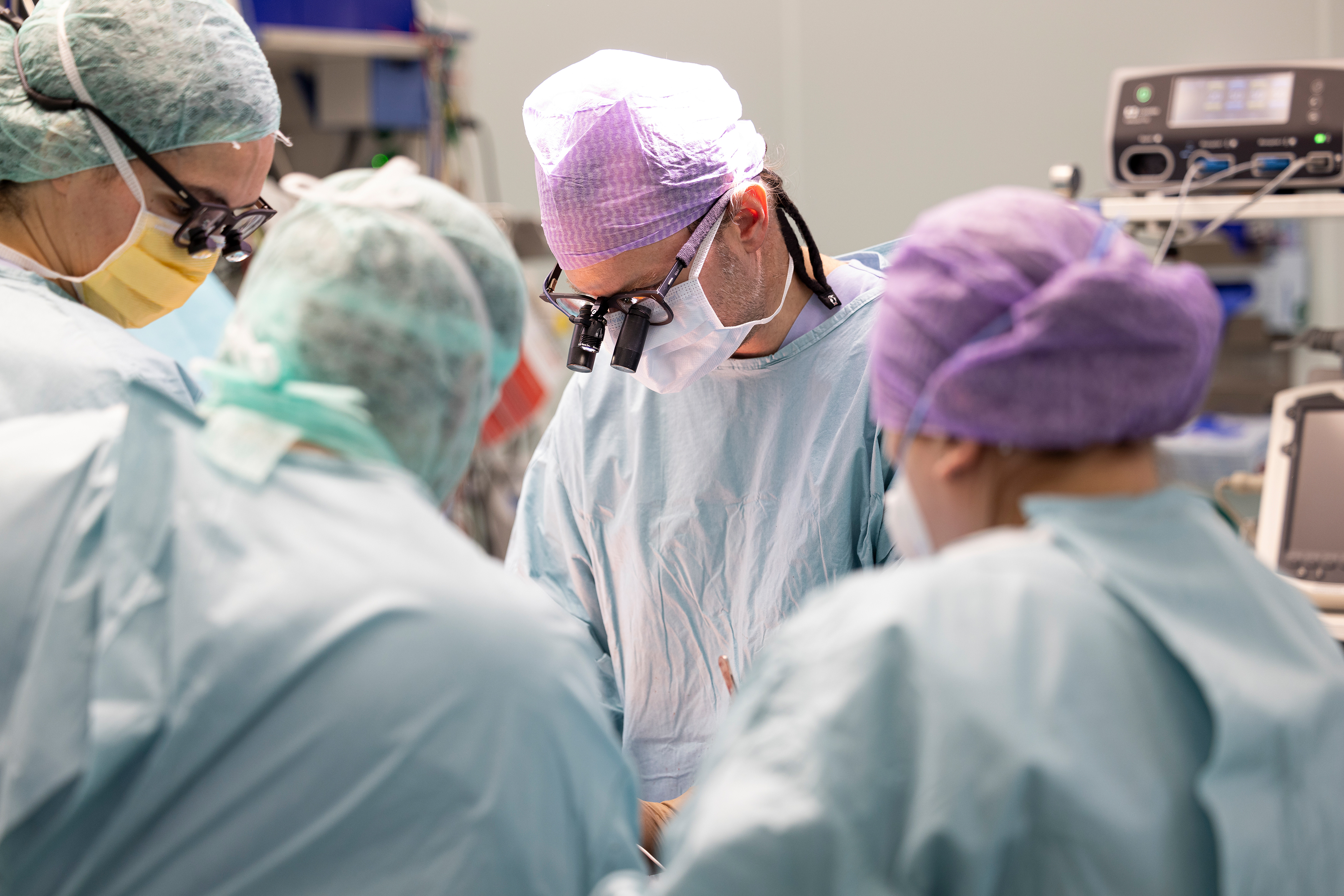
Image Aortic Surgery_UKF2: Prof. Czerny (right) in the hybrid operating room inserting an aortic arch prosthesis.
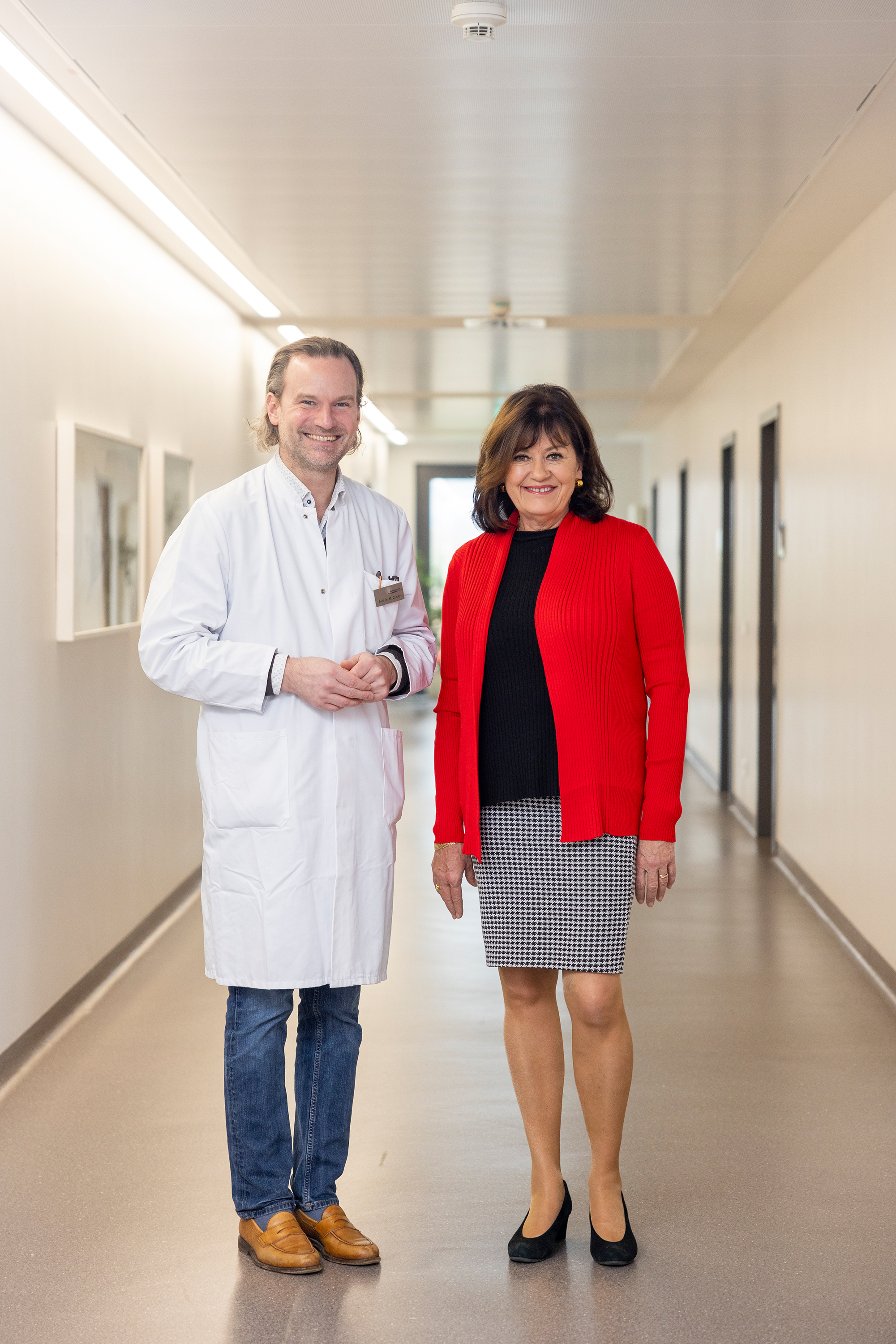
Image A orticsurgery_UKF3: Helga A. has already undergone two successful aortic operations by Prof. Dr. Martin Czerny's medical team.
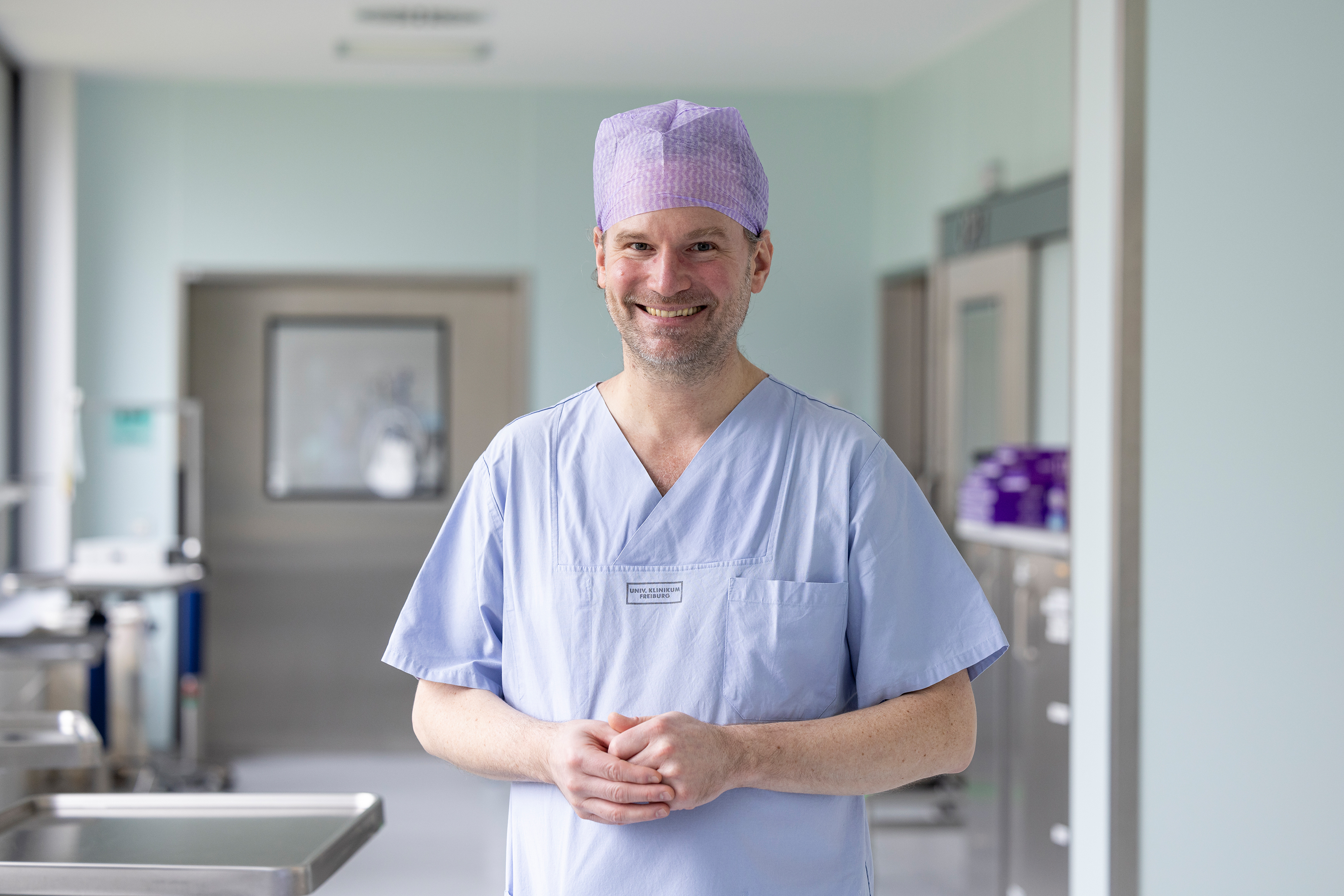
Image MartinCzerny_UKF: Prof. Dr. Martin Czerny, Medical Director of the Department of Cardiovascular Surgery at the Medical Center - University of Freiburg, is one of the most cited cardiovascular surgeons in the world.
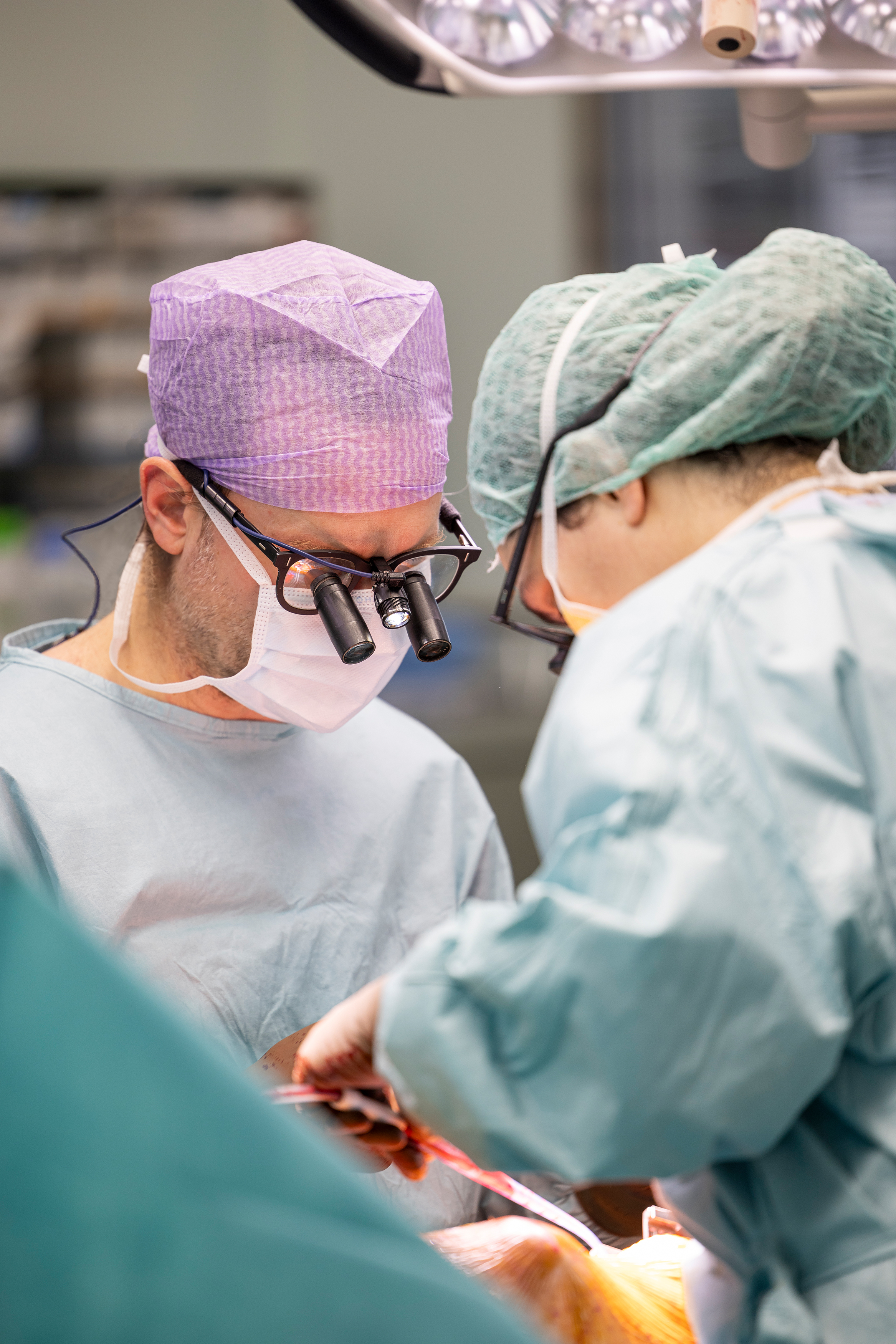
Image MartinCzerny_UKF2: Prof. Czerny (left) during an operation on the leg arteries.
Image MartinCzerny_UKF3 : Prof. Czerny during a vascular surgery procedure.
Image source: Medical Center - University of Freiburg / Britt Schilling
Back
Medical Center - University of Freiburg
Central Information
Phone: 0761 270-0
info@uniklinik-freiburg.de
For press inquiries:
Corporate Communications
Breisacher Straße 153
79110 Freiburg
Phone: 0761 270-84830
kommunikation@uniklinik-freiburg.de