
Collaborative research centers on kidney and brain extended
A total of around 17 million euros in funding for medical research in Freiburg / Both Collaborative Research Centers have already been successfully funded

On November 25, the German Research Foundation (DFG) announced the continued funding of two existing Collaborative Research Centers (CRC) at the Faculty of Medicine - University of Freiburg. In CRC 1453 "Nephrogenetics (NephGen)", physicians and scientists are using genetic information to search for mechanisms underlying kidney diseases. NephGen will be funded with 12 million euros over the next four years. Transregio 167 "NeuroMac" will also be funded for four years with 12 million euros, of which around five million will go to Freiburg. The researchers from Freiburg, Munich and Israel are investigating how immune cells in the brain interact with cells in the blood vessels of the central nervous system and what role they play in the healthy and diseased brain. Scientists from the Faculty of Medicine - University of Freiburg are involved in a total of 13 Collaborative Research Centers and Transregios, in eight of which they are the spokespersons.
"The renewed funding confirms the excellence of our research. Our scientists are making valuable contributions both in the study of kidney diseases and in research into the immune cells of the brain, which should find their way into clinical application in the long term," says Prof. Dr. Lutz Hein, Dean of the Faculty - University of Freiburg and member of the Board of Directors of the Medical Center - University of Freiburg.
Kidney diseases: Frequent, but difficult to treat
Kidney disease is a huge health problem worldwide, with around one in ten adults suffering from chronic kidney disease. Dialysis or a donor organ are the only treatment options for kidney failure. There are also people with kidney cancer. "Over the past four years, we at NephGen have succeeded in finding new target structures for kidney function and kidney diseases and have gained a better understanding of the underlying mechanisms. The next step is now to advance the search for pharmaceutical drug candidates that intervene in these mechanisms," said Prof. Dr. Anna Köttgen, spokesperson of the network and Director of the Institute of Genetic Epidemiology at the Medical Center - University of Freiburg and member of the Cluster of Excellence CIBSS - Centre for Integrative Biological Signalling Studies at the University of Freiburg. "Pharmacological agents that target structures with human genetic evidence are twice as successful in clinical development as others," explains Köttgen. NephGen is therefore researching target molecules based on hereditary kidney diseases and testing them for their therapeutic potential. Large patient and population studies as well as molecular biological investigations and methods for analyzing large amounts of data have already been successfully established for this purpose. In addition to the University of Freiburg and the Medical Center - University of Freiburg, the University Medical Center Hamburg-Eppendorf (UKE) is also involved.
How phagocytes communicate in the brain: Aiming for transfer to clinical practice
The Transregio 167 NeuroMac has already been funded twice by the German Research Foundation. The researchers are investigating the interaction of immune cells, in particular macrophages known as phagocytes, with smooth muscle cells of the cerebral arteries, nerve cells and other cellular players. In the third funding period, the members of NeuroMac want to better understand the communication between macrophages, the scavenger cells that form the immune system of the human brain, and various other cell types in the brain. "The aim of our research network is now to translate the knowledge gained about macrophages in the central nervous system into clinical practice," says the Freiburg co-spokesperson of the Transregio, Prof. Dr. Marco Prinz, Medical Director of the Institute of Neuropathology at the Medical Center - University of Freiburg and member of the Cluster of Excellence CIBSS - Centre for Integrative Biological Signalling Studies at the University of Freiburg. "We need to better understand the basic mechanisms of macrophage cell biology in healthy and diseased brains. To achieve this, we will work with laboratory-grown organoids and patient samples, among other things." In addition to the University of Freiburg, the Medical Center - University of Freiburg and the Technical University of Munich, the Charité - Universitätsmedizin Berlin and the Weizmann Institute of Science in Rehovot, Israel, are also involved in the research network.
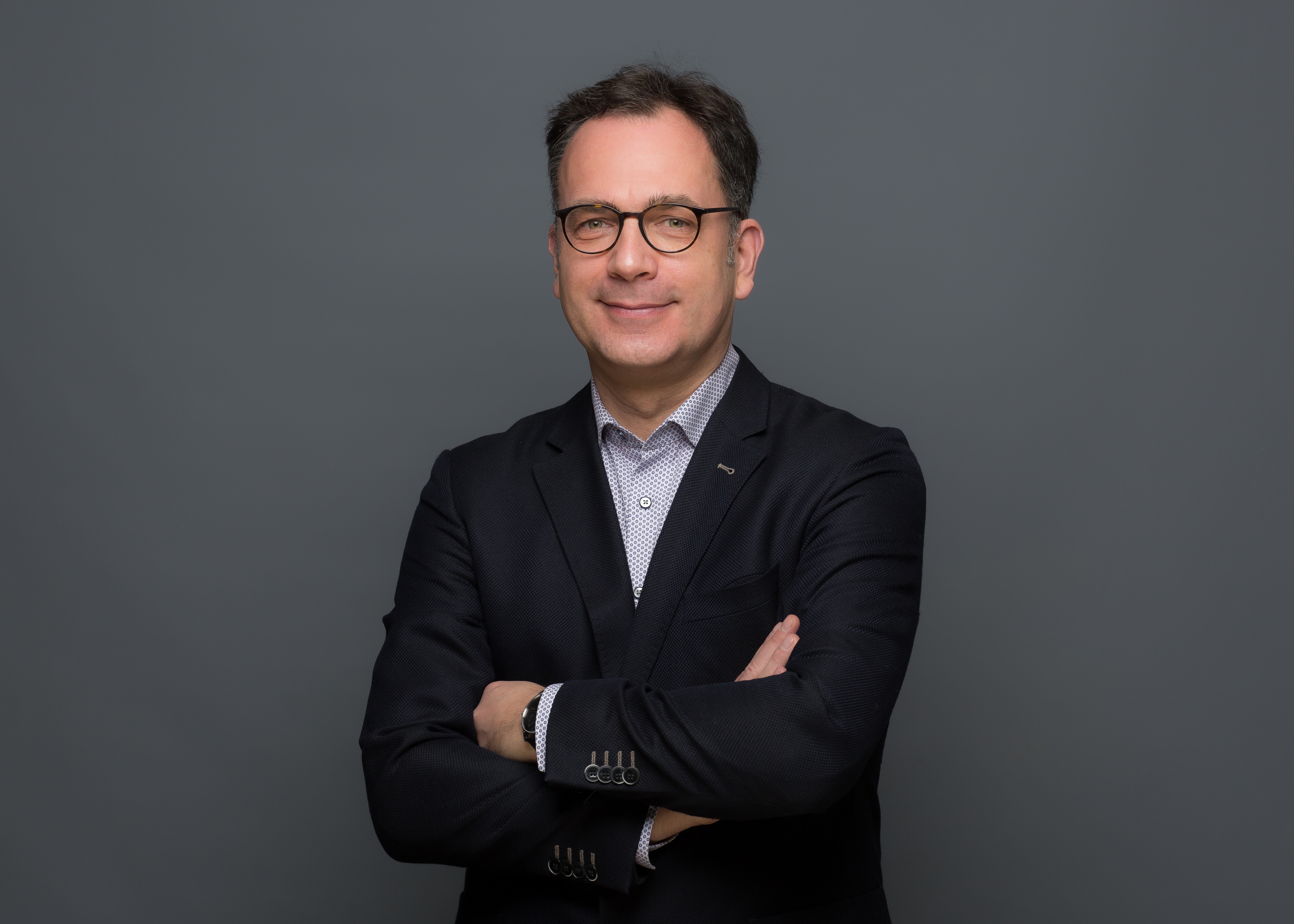
Caption 1: Prof. Dr. Marco Prinz
Caption 2: Prof. Dr. Anna Köttgen
Back
Medical Center - University of Freiburg
Central Information
Phone: 0761 270-0
info@uniklinik-freiburg.de
For press inquiries:
Corporate Communications
Breisacher Straße 153
79110 Freiburg
Phone: 0761 270-84830
kommunikation@uniklinik-freiburg.de