
Epilepsy: AI Aims to Improve Treatment with Brain Pacemakers
Medical Center – University of Freiburg is developing an AI method for analyzing long-term brain activity data as part of a research consortium / The goal is to provide more personalized treatment for drug-resistant epilepsy / State funding provided by In
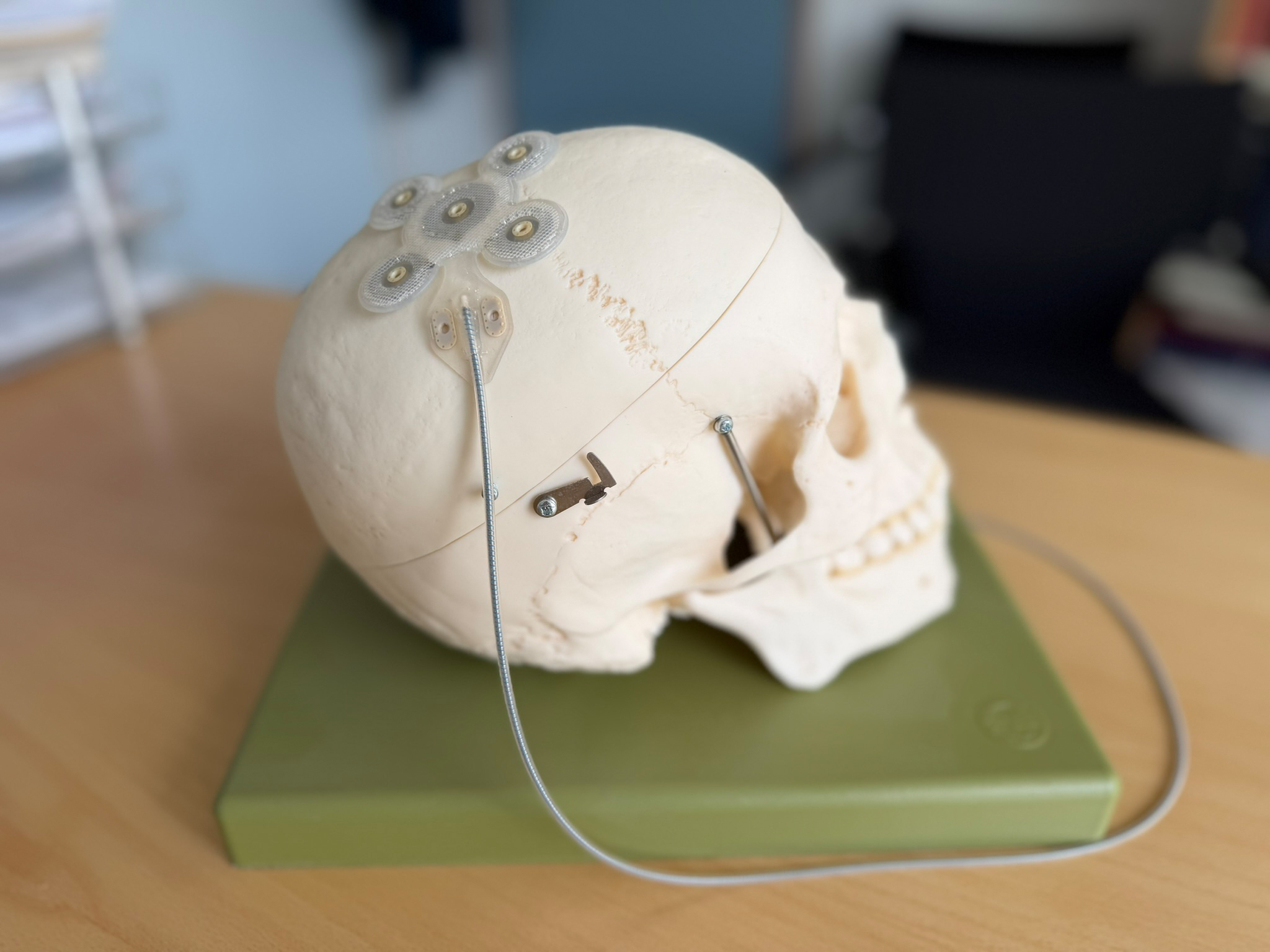
About 250,000 people in Germany live with epilepsy that does not respond adequately to medication. How can their treatment be further improved with a brain pacemaker? As part of the CLOUDIA research project, the Medical Center – University of Freiburg is now collaborating with a medical technology company to develop an AI-supported assistance system for analyzing long-term brain activity data. This data will be collected by a brain pacemaker whose electrodes are positioned on the skull beneath the scalp. The implant is already in clinical use and can reduce epileptic seizures through electrical impulses. In the future, it will also continuously record brain activity. The AI analysis of this data is intended to help physicians customize the brain pacemaker’s settings more precisely. The two-year project has been funded since September 2026 by Invest BW, the innovation support program of the state of Baden-Württemberg.
“For people with epilepsy, every seizure is a burden and often causes uncertainty in daily life. With real-time AI analysis of brain waves, we aim to ensure that patients receive exactly the stimulus that is optimal for them at that moment during a seizure. In the long term, this could improve the safety and quality of life for people with epilepsy,” says Prof. Dr. Andreas Schulze-Bonhage, director of the Epilepsy Center at the Department of Neurosurgery at the Medical Center – University of Freiburg.
Detecting Seizures That Have Gone Unnoticed Until Now
Until now, physicians have often relied on seizure diaries to assess the course of the disease. However, not all epileptic seizures are noticed or documented by those affected. Even examinations of brain activity using electroencephalography (EEG) usually cover only limited time periods.
The Freiburg researchers are therefore collaborating with the medical technology company Precisis GmbH to develop an AI method designed to reliably detect epileptic seizures in long-term data and identify recurring patterns. This would enable physicians in the future to better assess how frequently seizures actually occur and when the risk of a seizure is particularly high.
Who is a candidate for a brain pacemaker for epilepsy?
A brain pacemaker is primarily an option for people who continue to experience epileptic seizures despite treatment with at least two appropriate medications. If surgical removal of the seizure-triggering brain tissue is not possible or not likely to be successful, neurostimulation may be a treatment option. “A brain pacemaker can significantly reduce the frequency and severity of epileptic seizures through targeted electrical impulses,” says Schulze-Bonhage.
Extensive Experience with Brain Pacemakers for Epilepsy
The Epilepsy Center at the Medical Center – University of Freiburg has already led the European approval studies for the brain pacemaker and subsequently conducted research into AI-based detection of onset seizures. In the CLOUDIA project, Schulze-Bonhage’s team is responsible for the development and clinical validation of the AI analyses. PRECISIS is developing the technical infrastructure. Data protection and cybersecurity are being addressed from the very beginning.
The Epilepsy Center at the Medical Center – University of Freiburg offers all established diagnostic and treatment procedures for epilepsy patients of all ages. As a recognized reference center in Baden-Württemberg and a European reference center within the EpiCare network, the physicians and researchers collaborate with leading international centers in the diagnosis and treatment of complex and rare forms of epilepsy.
Further information:
Press release (2022): Study on a novel epilepsy brain pacemaker
Image 1: The electrode, which is placed under the skin on the skull, is only a few millimeters thick. A thin cable connects it to a battery.
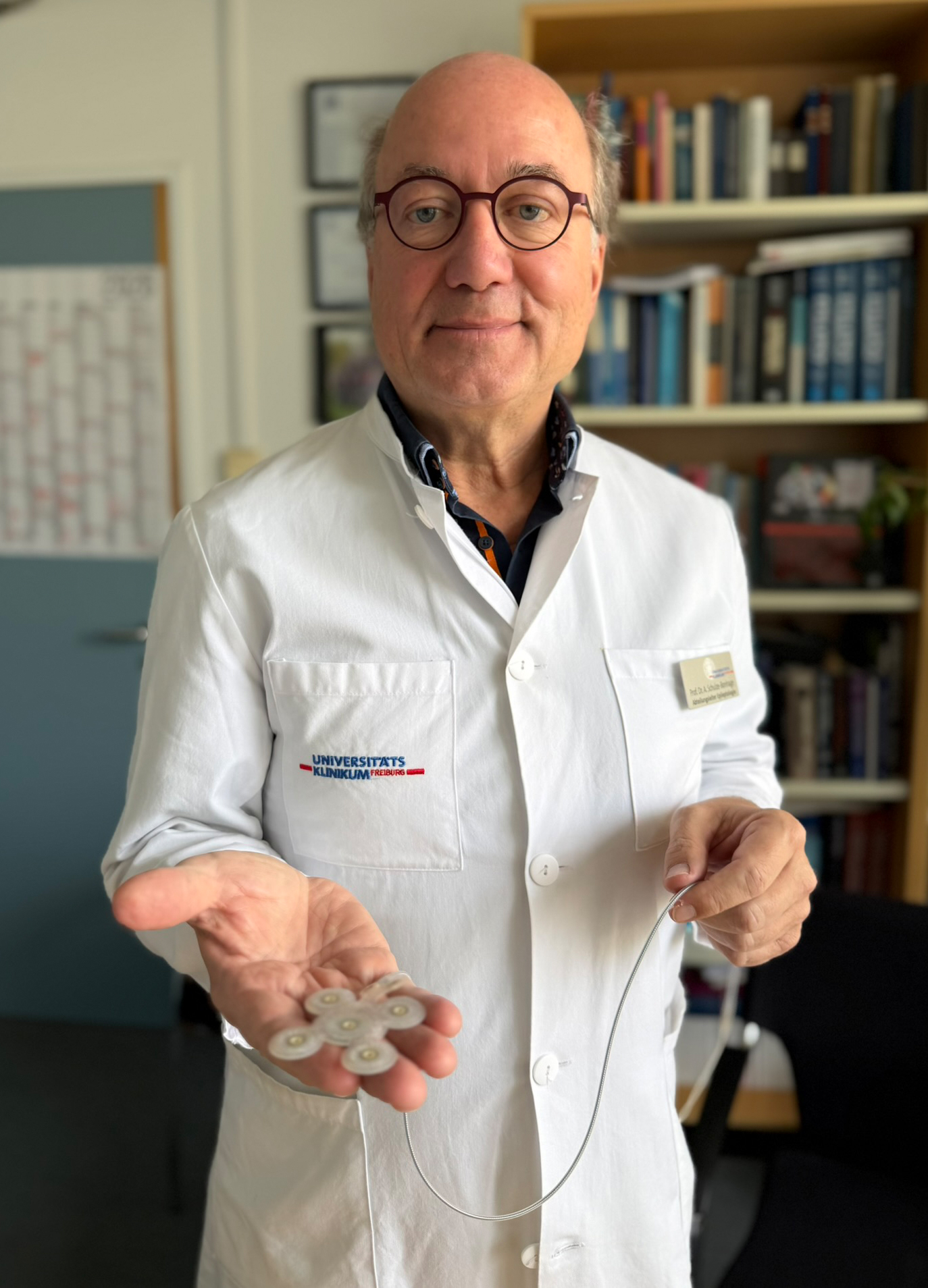
Image 2: Prof. Dr. Andreas Schulze-Bonhage hopes that continuous AI-based analysis will enable even better care for patients.
Image source: Medical Center – University of Freiburg
Back
Medical Center - University of Freiburg
Central Information
Phone: 0761 270-0
info@uniklinik-freiburg.de
For press inquiries:
Corporate Communications
Breisacher Straße 153
79110 Freiburg
Phone: 0761 270-84830
kommunikation@uniklinik-freiburg.de