
Healing process after stroke predictable at an early stage
Different brain activity in patients with good and poor progression in the first few days
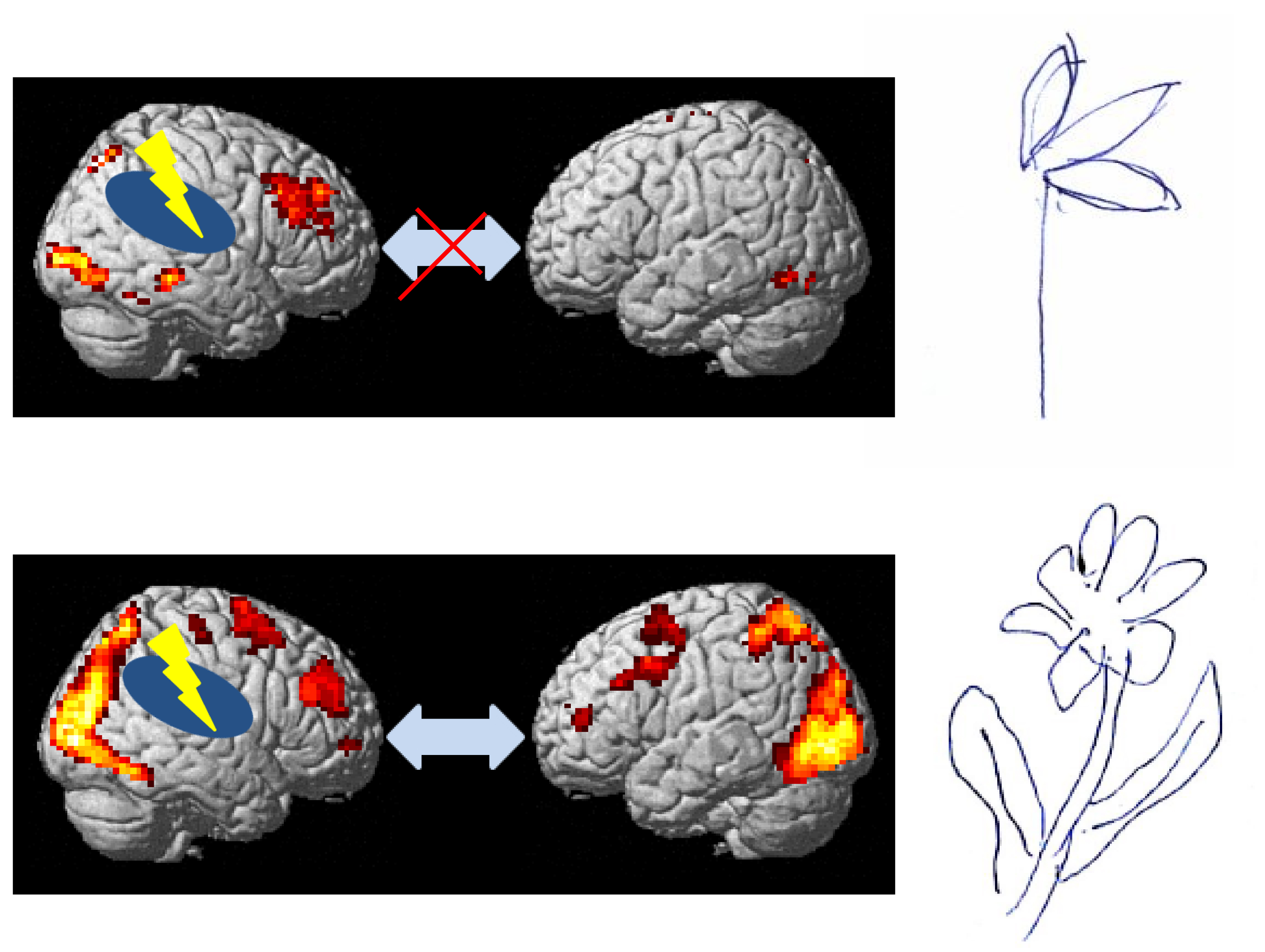
Researchers at the Medical Center - University of Freiburg have now been able to determine which patients require a particularly high level of long-term support after a stroke in the first few days following the stroke. Using imaging techniques, they examined brain activity in the right hemisphere of 34 patients with severe strokes. The results showed that the more active the cells in the right attention center of the brain were, the better the long-term overall recovery was. In addition, patients recovered particularly well from a spatial perception disorder known as neglect if the area in the left hemisphere of the brain that was damaged on the right was particularly active. Patients with this disorder behave as if one side of the room or their own body has ceased to exist. The results, published in mid-February in the journal Annals of Neurology, could help to identify patients with a poor prognosis for recovery at an early stage and support them with particularly intensive rehabilitation measures.
"By analyzing brain activity, we have found two key parameters that allow us to predict the healing process in stroke patients very well," says Prof. Dr. Cornelius Weiller, Medical Director of the Department of Neurology and Neurophyisology at the Medical Center - University of Freiburg. "I expect that we will have a reliable prognostic tool for everyday clinical practice in three to four years," Prof. Weiller continues. Until now, an early prognosis was only possible using secondary parameters such as age, state of health and size of the affected brain region. The Freiburg researchers examined stroke patients using functional magnetic resonance imaging (fMRI) two to three days, eight to ten days and four to six months after the stroke.
Surprisingly, a high level of activity in the left hemisphere of the brain had a positive effect on recovery from neglect. It was previously assumed that an imbalance in the activity of the brain hemispheres worsened the condition of the patients. "Our results refute the hypothesis of competing cerebral hemispheres as the cause of the occurrence of neglect and rather speak in favor of mutual support. Especially if the brain damage is very extensive, an earlier connection between the affected and healthy hemispheres is important so that the patient recovers well in the first few weeks after the stroke," says the first author of the publication Dr. Roza Umarova, specialist and at the time of the study head of the working group at the Department of Neurology and Neuroscience at the Medical Center - University of Freiburg. Further studies will show whether therapeutic stimulation of the brain from outside can be beneficial during rehabilitation and which brain area could be targeted.
Title of the original paper: Predictors and signatures of recovery from neglect in acute stroke
DOI: 10.1002/ana.24614
Link to the publication: www.ncbi.nlm.nih.gov/pubmed/26873402
Caption: A stroke often leads to a spatial perception disorder called neglect. This is much less pronounced when communication between the left and right hemispheres of the brain is intensive.
Image source: Medical Center - University of Freiburg
Back
Medical Center - University of Freiburg
Central Information
Phone: 0761 270-0
info@uniklinik-freiburg.de
For press inquiries:
Corporate Communications
Breisacher Straße 153
79110 Freiburg
Phone: 0761 270-84830
kommunikation@uniklinik-freiburg.de