
New mutation catalog facilitates personalized cancer therapy
Oncology research(09.12.2025) Scientists have evaluated more than 11,000 gene changes in tumor cells. Results can help with therapy decisions. Study led by the Medical Center - University of Freiburg published in "Nature Genetics".
When gene alterations are found in the tumor of cancer patients, it is often unclear whether they promote tumor growth or whether a targeted therapy could be effective. A research team led by the Medical Center - University of Freiburg has now compiled a catalog in which over 11,000 gene variants of a central gene family were examined and evaluated for their role in tumor growth. Corresponding changes are found in more than four percent of all tumors, which corresponds to more than 20,000 patients in Germany every year. In future, this work will enable a genetic diagnosis to be made more quickly and therapy to be selected in a more targeted manner. The results of the study were published on December 8, 2025 in the journal Nature Genetics.
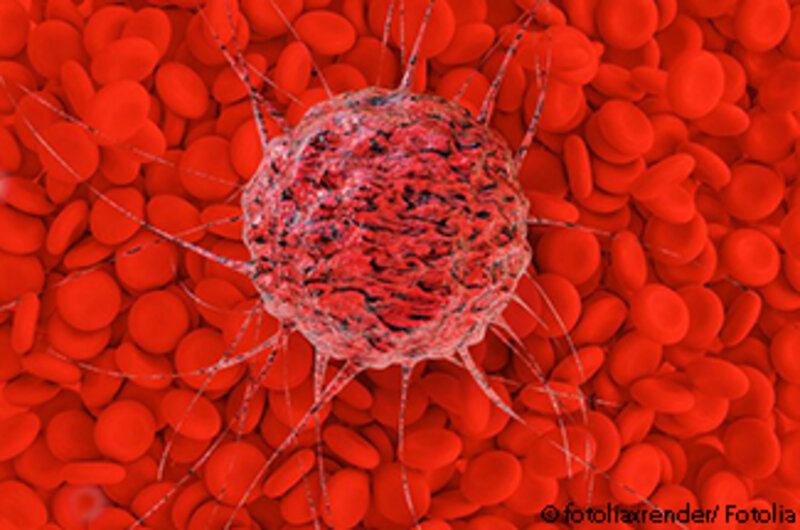
The research team was able to evaluate 11,000 gene mutations for their significance in cancer cells. (c)Fotolia
The study was conducted in close collaboration between the three DKTK sites
"Even before the study was published, we were able to help clinics in Europe to classify genetic changes in certain patients and thus choose the most suitable therapy. This shows how urgently this information is needed and how much it helps in therapy decisions," says study leader Prof. Dr. Sven Diederichs, Head of the Department of Thoracic Surgery at the Medical Center - University of Freiburg, and scientists at the Freiburg partner site of the German Cancer Consortium (DKTK). The study was conducted in close collaboration between the three DKTK sites in Freiburg, Heidelberg and Munich.
Altered growth genes in the focus of cancer research
The study focuses on the so-called fibroblast growth factor receptors (FGFR). Genetic analyses, which are already regularly carried out at cancer centers such as the Comprehensive Cancer Center Freiburg - CCCF at the Medical Center - University of Freiburg, are used to determine whether a corresponding mutation is present.
The FGFR genes control growth processes in the healthy body, but can promote the development of tumors in an altered form. In practice, it has often been unclear which of these genetic changes influence tumor behavior - for example by blocking drugs or being therapeutically useful. For the first time, the new catalog provides a well-founded assessment of many previously uncharacterized changes.
"We can now say much more precisely which FGFR gene alterations promote tumor growth and which are easily treatable," explains Dr. Carla Tangermann, first author of the study and a scientist in Diederichs' research group at the Department of Thoracic Surgery at the Medical Center - University of Freiburg and the DKTK. "This provides physicians around the world with an important tool for everyday clinical practice."
Rapid evaluation through systematic analysis
In order to analyze all possible variants of these genes, the team specifically changed each position within the FGFR genes and examined their effects in living cells. This enabled the researchers to identify with high precision which gene changes promote cancer growth or prevent the effect of targeted drugs. Particularly pleasing: in 97 percent of cases in which clinical data on therapy resistance was already available, the results of the laboratory experiments matched observations in patients. This confirms the high informative value of the new database.
Basic research meets clinical benefit
"This study impressively demonstrates how basic research and clinical care interact at the Faculty of Medicine - University of Freiburg," says Prof. Dr. Lutz Hein, Dean of the Faculty of Medicine - University of Freiburg. "Such approaches help to bring therapies to patients more quickly and to gradually expand the range of treatments available."
Next steps: Integration into clinical practice
The new mutation catalog is to be integrated into international databases in the future to make it even easier for physicians to use in everyday clinical practice. The team is also planning to investigate other gene families using the same principle. The aim is to further improve personalized cancer therapy and reduce uncertainties in the assessment of rare gene mutations. However, additional data is still required for some mutations.
Original title of the publication:
Saturation mutagenesis identifies activating and resistance-inducing FGFR kinase domain mutations
DOI: 10.1038/s41588-025-02431-8
Link:https://www.nature.com/articles/s41588-025-02431-8
More interesting articles


Medical Center - University of Freiburg
Central InformationPhone: 0761 270-0
info@uniklinik-freiburg.de
Corporate Communications
Breisacher Straße 15379110 Freiburg
Phone: 0761 270-84830
kommunikation@uniklinik-freiburg.de