
Comprehensive Diagnostics in the Metabolic Laboratory
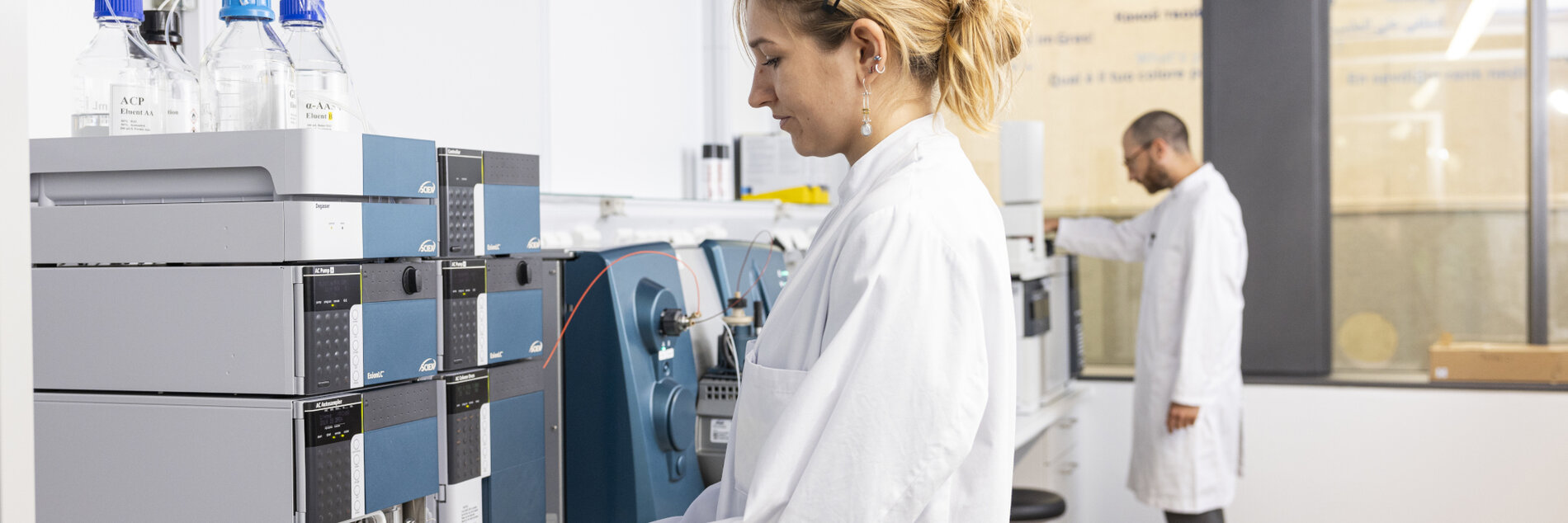
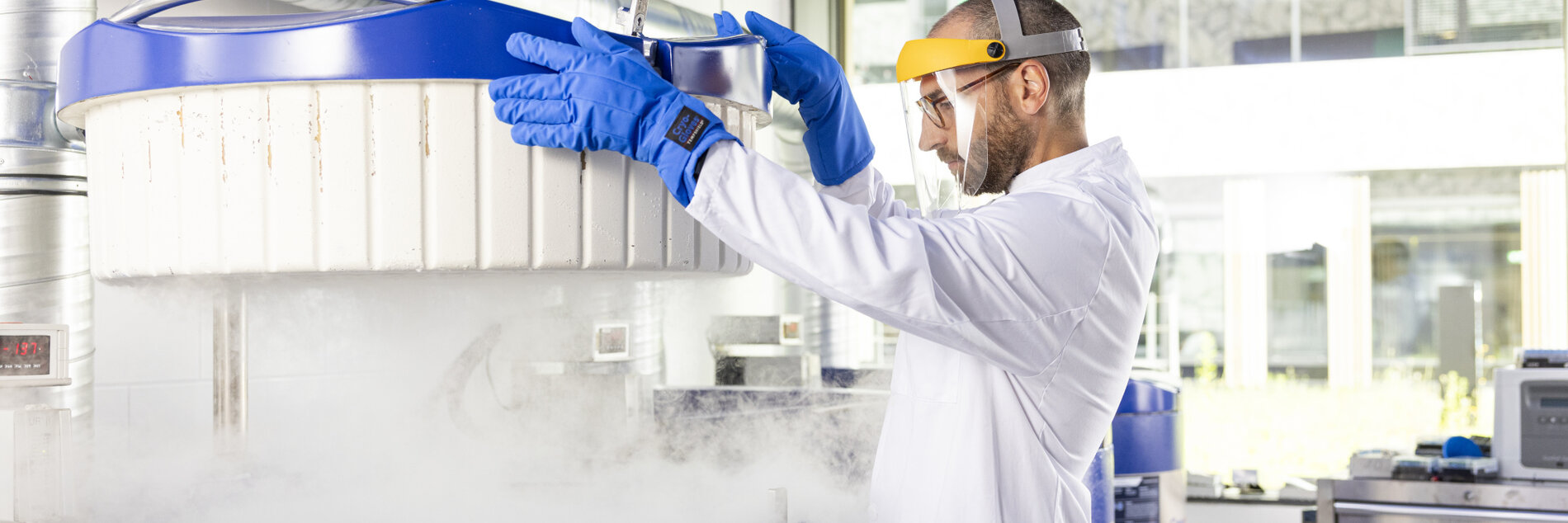
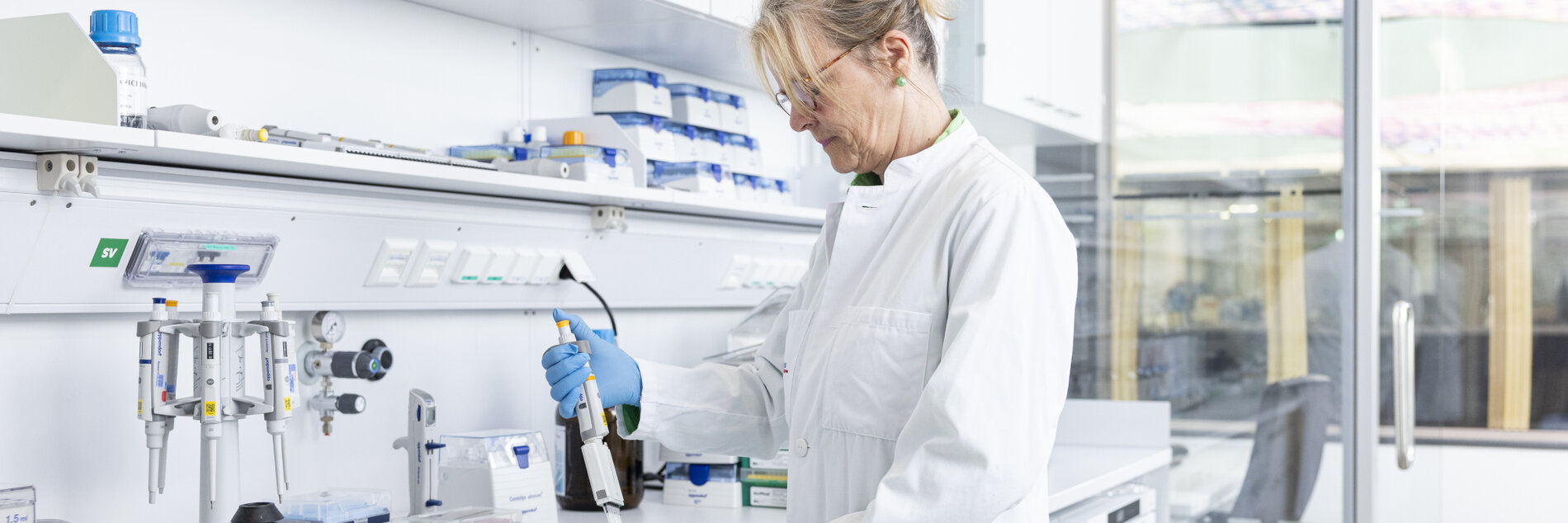
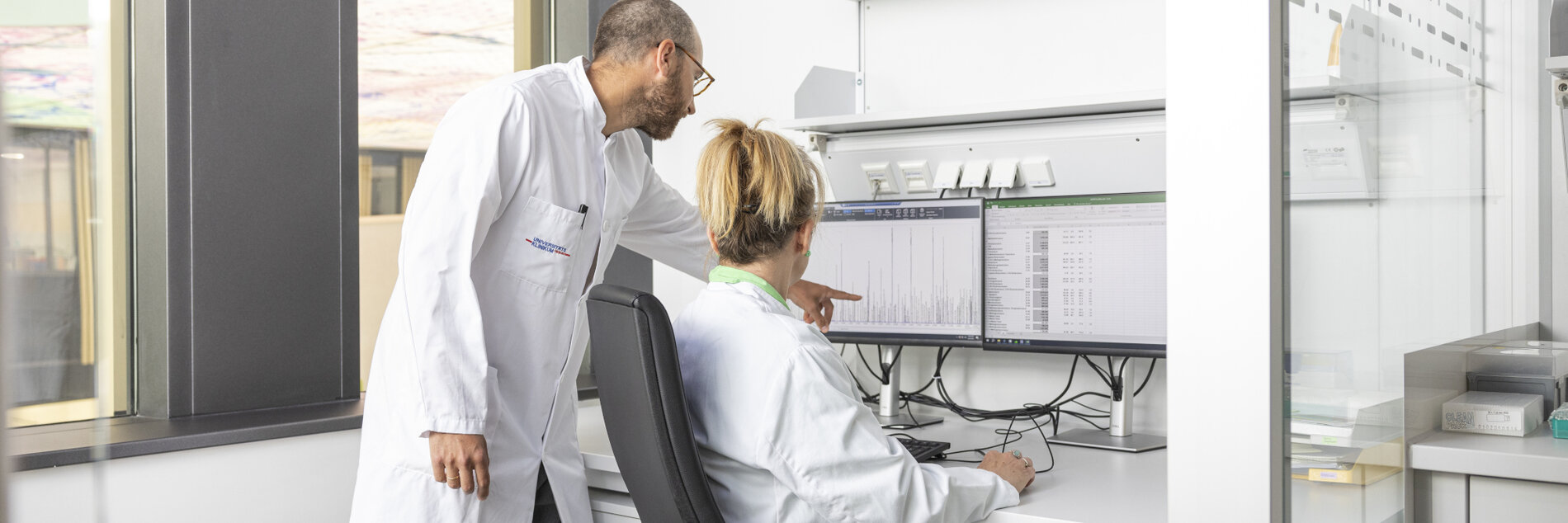
The Metabolic Laboratory at the Medical Center – University of Freiburg offers comprehensive services for patients with suspected inborn errors of metabolism or for follow-up care.
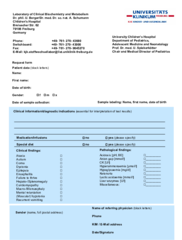
Request Form
We offer the following services:
- Specialized laboratory analysis
- Pre-analytical consultation
- Medical interpretation of test results, taking the clinical picture into account
- Recommendations for further diagnostic testing
- Treatment recommendations (upon request)
- Metabolomics
We are happy to offer our consultation for specific questions or complex medical conditions
Team
|
PD Dr. Dr. Anke Schumann Medical Director, Consultation, Medical Interpretation
Dr. Urs Berger Technical Director |
Prof. Dr. Sarah Grünert, Consultation, Medical Interpretation, Interpretation of Findings Daniela vom Berg, MTA Carina Brenneis, MTA Nannette Kordes, MTA Tea Galinovic Hanzlic, M.Sc. in Biology Cira Martin, Chemistry Lab Technician Fabian Telkämper, CTA Trainees (Chemistry/Biology Lab Technicians)
|


Contact
| Metabolic Laboratory: | |
| Sample Handling and Diagnostic Findings | Phone: +49 (0)761 270 43680 (weekdays 8:15 a.m.–5:00 p.m.) |
| Laboratory Directors: | |
| PD Dr. Dr. Anke Schumann | Phone: +49 (0)761 270 43864 |
| Dr. Urs Berger | Phone: +49 (0)761 270 43867 |
| Clinical Consultation (8 a.m.–5 p.m.): | Phone: +49 (0)761 270 43864 Fax: +49 (0)761 270 96-45270 Email: kjk.stoffwechsellabor@list.uniklinik-freiburg.de |
| Address: | Metabolic Laboratory Children’s Hospital Breisacher Straße 62 79106 Freiburg |
Emergency testing outside of the lab’s regular hours is available only by prior arrangement. Please contact the Children’s Hospital information desk (phone +49 761 / 270 43000).
The Metabolism Laboratory regularly participates in interlaboratory tests and quality circles and is a member of ERNDIM, an external quality assurance consortium. https://www.erndim.org/
Please direct inquiries regarding clinical rotations and internships to the laboratory directors.
Laboratory Test Directory
As of August 19, 2026Metabolic Diagnostics
Acylcarnitine profile in Dried blood spots, amino acids in serum, organic acids in urine, preliminary urine tests (see individual test specifications for details)
Vitamin B12 Deficiency/Remethylation Disorder/Homocystinuria/Organoazidurias
Indication: Abnormal newborn screening results for the above-mentioned conditions
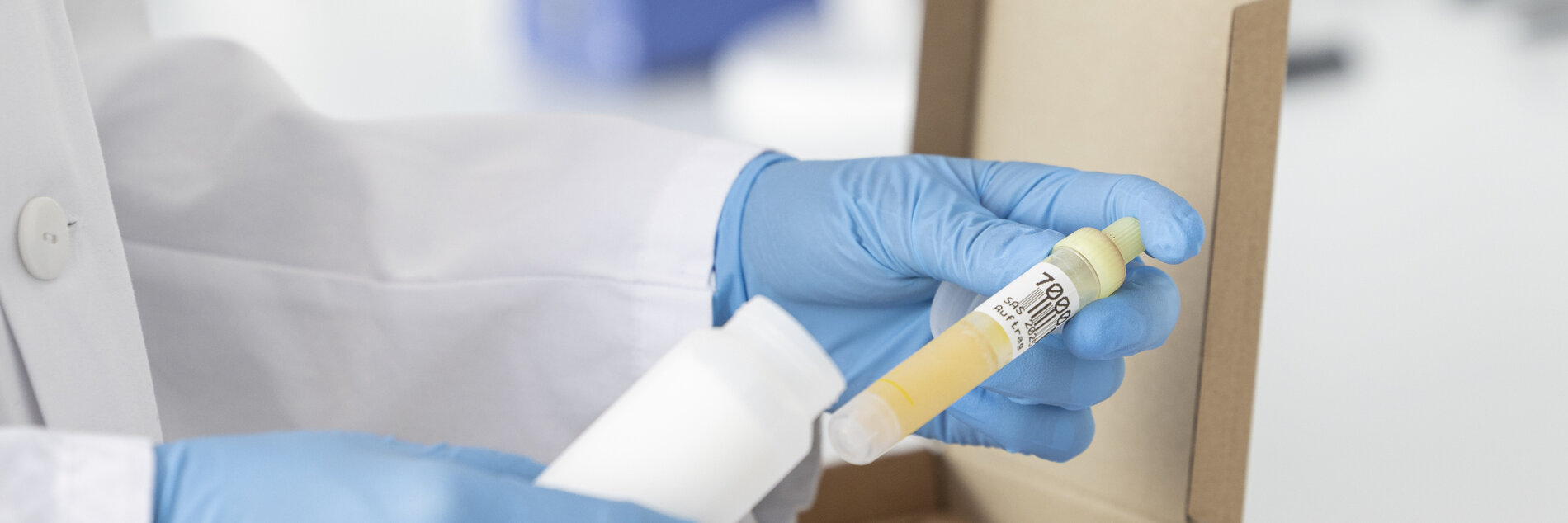
Sample: Dried blood spots, 2 mL serum, 5–10 mL spontaneous urine
Shipping: Room temperature
Processing time: Approx. 1 week
Enzymatic Analyses
Indication: MCAD, VLCAD deficiency
Sample: 2 mL EDTA whole blood
Sample preparation: None
Shipping: Room temperature. Must arrive within 48 hours of blood collection
Turnaround time: Approx. 1 week
Indications: Vasculitis, autoinflammatory disorders, immunodeficiency, and hematologic deficiency syndrome
Sample: 2 mL EDTA whole blood
Shipping: Room temperature. Must arrive within 48 hours of blood collection
Processing time: Approx. 2 weeks
Please contact Dr. Luciana Hannibal by phone | Phone: +49 (0)761 270 43710
Indication: Primarily remethylation disorders
Sample:
- 5–10 mL urine/0.5 mL plasma
- Fibroblasts (T25)
Sample preparation:
- None
- Fill the cell culture flask with medium
Shipping:
- Room temperature
- Cell culture flask at room temperature; shipping time <48 hours
Specific Requirements
Acylcarnitine Profile in Dried blood spots:
Indication: Primarily organoacidopathy or fatty acid oxidation disorders
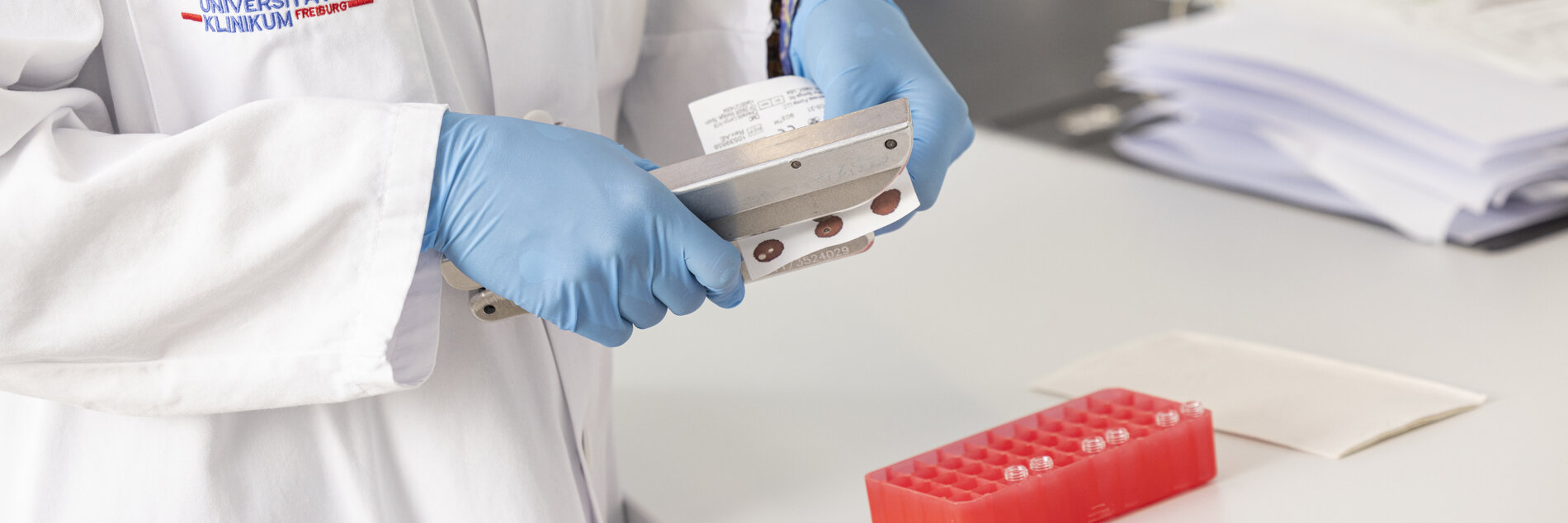
Sample: Dried blood spots
Sample preparation: Allow to dry for 2 hours at room temperature
Shipping: Ambient temperature
Turnaround time: Approx. 2 business days
Urine acylcarnitine profile:
Indication: Carnitine transporter defect, glutaraziduria type I
Sample: 5–10 mL spontaneous urine
Sample preparation: If available, preserve with 4–6 drops of dichloromethane or freeze at -20 °C
Shipping: Room temperature
Turnaround time: Approx. 2 business days
Serum acylcarnitine profile:
Indication: Carnitine palmitoyltransferase (CPT2) deficiency
Sample: 0.5 mL serum
Sample preparation: Centrifuge; send only the supernatant
Shipping: Room temperature
Turnaround time: Approx. 2 business days
Indication: Metabolic disorder involving sulfur-containing amino acids
Sample: 1 mL plasma
Sample preparation: Centrifuge; send only the supernatant; freeze immediately at -80°C
Shipping: On dry ice
Turnaround time: Approx. 2 weeks
Indications: Primarily vitamin B6-dependent seizures
Sample: 5–10 mL spontaneous urine
Sample preparation: If available, preserve with 4–6 drops of dichloromethane and freeze at -20 °C
Shipping: Ship the frozen sample with an ice pack or similar
Turnaround time: Approx. 1 week
Serum Amino Acids:
Indication: Especially amino acid disorders, hyperammonemia, energy metabolism disorders, especially metabolic disorders
Sample: Fasting serum (0.5 mL serum)
Sample preparation: Centrifuge; send only the supernatant
Shipping: Room temperature
Turnaround time: Approx. 2 business days
Amino Acids in Urine:
Indications: Renal disorders, e.g., cystinuria, e.g., Fanconi syndrome, hyperammonemia, e.g., arginine succinic acid disease, e.g., lysinuric protein intolerance
Sample: 5–10 mL spontaneous urine
Sample preparation: If available, preserve with 4–6 drops of dichloromethane or freeze at -20 °C
Shipping: Room temperature
Turnaround time: Approx. 2 business days
Amino acids in cerebrospinal fluid:
Indication: Primarily neurometabolic disorders, particularly epileptic encephalopathies
Sample: Cerebrospinal fluid and serum (0.5 mL each, collected simultaneously and on an empty stomach)
Sample preparation: Centrifuge the serum; immediately freeze the supernatant and cerebrospinal fluid at -80 °C
Shipping: On dry ice
Turnaround time: Approx. 2 business days
Test Type: HPLC
Indications: Multisystem disease, liver disease, developmental delay
Sample: 0.5 mL serum (no plasma!)
Sample preparation: Centrifuge; send only the supernatant
Shipping: Room temperature
Turnaround time: Approx. 1 week
Indication: Primarily Smith-Lemli-Opitz syndrome
Sample: 0.5 mL serum
Sample preparation: Freeze at -20°C until shipment, if possible
Shipping: Ambient temperature
Turnaround time: Approx. 2 weeks
Indications: D-glycerate kinase deficiency, D-glycerate dehydrogenase deficiency (type II hyperoxaluria), D2/L2-hydroxyglutaraziduria, suspected bacterial overgrowth in the intestine
Sample: 5–10 mL spontaneous urine
Sample preparation: If available, preserve with 4–6 drops of dichloromethane or freeze at -20 °C
Shipping: Room temperature
Turnaround time: Approx. 2 weeks
Indications: Primarily disorders of glutathione metabolism
Sample:
- 1 mL plasma/serum
- 1 mL spontaneous urine
- 2 mL EDTA whole blood
- Fibroblasts (T25)
Sample preparation:
- Centrifuge, freeze immediately (-80°C), ship only the supernatant
- Freeze immediately at -80°C
- None
- Fill the cell culture flask with medium
Shipping:
- On dry ice
- On dry ice
- At ambient temperature. Shipping time <48 hours
- Cell culture flask at ambient temperature. Shipping time <48 hours
Indications: Primarily hyperhomocysteinemia, early vascular disease, progressive neuropathy, unexplained developmental delay, megaloblastic anemia, microcephaly
Sample: 0.5 mL EDTA plasma/serum, ideally from a fasting blood draw
Sample preparation: Centrifuge; store at -20°C until shipment if possible; ship only the supernatant
Shipping: Ambient temperature
Processing time: Approx. 1 week
Indications: Primarily creatine synthesis defect, guanidinoacetate methyltransferase (GAMT) deficiency, arginine:glycine amidinotransferase (AGAT) deficiency, creatine transporter defect
Sample: 5–10 mL of spontaneous urine; a 24-hour urine collection is preferred. Please specify body weight and the volume collected.
Sample preparation: If available, preserve with 4–6 drops of dichloromethane or freeze at –20 °C
Shipping: Room temperature
Processing time: Approx. 1 week
Indication: Primarily storage diseases: mucopolysaccharidoses (glucosaminoglycan screening, electrophoretic separation), Fabry disease, Gaucher disease, Hunter syndrome, hypophosphatasia, and others.
Sample:
- 10 mL spontaneous urine; preferably 24-hour urine collection
- Dried blood spots (enzyme diagnostics provided free of charge through various diagnostic initiatives; by telephone consultation only)
Sample preparation:
- If available, preserve with 4–6 drops of dichloromethane or freeze at –20 °C
- Allow to dry for 2 hours at room temperature
Shipping:
- Ambient temperature
- Ambient temperature
Indications: Primarily vitamin B12 deficiency; primarily organoacidopathy
Sample:
- 5–10 mL spontaneous urine
- 1 mL serum
Sample preparation:
- If available, preserve with 4–6 drops of dichloromethane or freeze at -20 °C
- Centrifuge; store at -20°C until shipment if possible; ship only the supernatant
Shipping:
- Room temperature
- Room temperature
Processing time:
Approx. 1 week
Indications: Suspected organoacidopathy or other intermediate metabolic disorders, hypoglycemia, unexplained coma, suspected neurometabolic disorders
Sample: 5–10 mL spontaneous urine
Sample preparation: If available, preserve with 4–6 drops of dichloromethane or freeze at -20 °C
Shipping: Room temperature
Turnaround time: Approx. 3 business days
Indication: Primarily disorders of the urea cycle (e.g., heterozygous OTC deficiency); allopurinol test if indicated
Sample: 5–10 mL spontaneous urine
Sample preparation: If available, preserve with 4–6 drops of dichloromethane or freeze at -20 °C
Shipping: Room temperature
Turnaround time: Approx. 1 week
Indications: Multisystem disorders, particularly peroxisomal disorders
Sample: 1 mL serum
Sample preparation: Centrifuge; store at -20°C until shipment, if possible; ship only the supernatant
Shipping: Room temperature
Processing time: Approx. 1 week
Indications: Primarily phenylketonuria
Sample: Dried blood spots
Sample preparation: Allow to dry for 2 hours at room temperature
Shipping: Ambient temperature
Turnaround time: Approx. 2 business days
Indications: Renal and/or neurological symptoms (including developmental delay, epilepsy, autism, self-injurious behavior), muscular symptoms, arthritis, short stature, immunodeficiencies, anemia, hyperuricemia
Sample: 5–10 mL of spontaneous urine or a 24-hour urine collection
Sample preparation: If available, preserve with 4–6 drops of dichloromethane or freeze at -20 °C
Shipping: Room temperature
Processing time: Approx. 1 week
Indication: Primarily sulfite oxidase or molybdenum cofactor deficiency
Sample: 5–10 mL spontaneous urine
Sample preparation: Freeze immediately at -80 °C
Shipping: On dry ice
Turnaround time: Approx. 1 week