
Healthy Eating for Your Baby – What Really Matters During Pregnancy and Breastfeeding
Gynecology(May 5, 2026) What pregnant and breastfeeding women eat affects their baby’s development. Yet many myths persist. What does science say?
During pregnancy and breastfeeding, nutrition takes center stage. It’s not just about calories, but above all about quality: What nutrients do pregnant women really need, and what risks does poor nutrition pose? PD Dr. Mirjam Kunze, Medical Director of Obstetrics and Perinatology at the Department of Obstetrics and Gynecology at the Medical Center – University of Freiburg, emphasizes: “Nutrition has a huge impact on the healthy development of the child.” This applies not only to growth in the womb but also to long-term effects on the child’s metabolism and immune system.
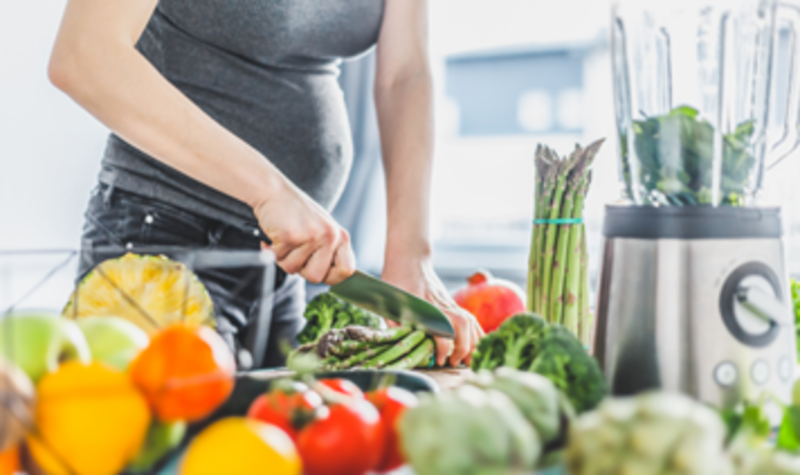
A balanced diet during pregnancy and breastfeeding is important for both mother and child. ©freepik
Less is more—when it comes to weight
A common misconception: Pregnant women need to “eat for two.” In fact, energy requirements don’t increase noticeably until the last trimester of pregnancy—and even then, only by about ten percent. According to Kunze, excessive weight gain increases the risk of gestational diabetes or high blood pressure. This can also have consequences for the child—such as a higher birth weight or obesity issues later in life.
These nutrients are especially important now
Key nutrients include:
- Folic acid, ideally taken even before pregnancy,
- Iodine, important for the child’s thyroid development,
- Iron, to meet the increased blood volume needs.
Avoid raw meat—but not everything
Raw meat, raw fish, and unpasteurized dairy products can contain dangerous pathogens such as Listeria or Toxoplasma. Avoiding these is important during pregnancy. However, blanket dietary restrictions are generally unhelpful: many pregnant women feel left to their own devices with conflicting advice. This makes sound guidance all the more important. Physicians and midwives are the first points of contact.
Breastfeeding: Impact on Taste and Allergies
Diet also plays a central role during breastfeeding. Through breast milk, the baby may develop a tolerance to potential allergens. At the same time, certain foods should not be avoided based on mere suspicion—unless there are proven intolerances.
Healthy Eating During Pregnancy and Breastfeeding – The To-Go Checklist
Do’s
- Take folic acid – ideally starting before pregnancy
- Keep an eye on iodine – important for the baby’s thyroid
- Check your iron levels – have them checked regularly
- Eat a varied diet – plenty of fresh, colorful foods
- Seek advice – ask your midwife or physician if you’re unsure
Don’ts
- No raw meat, raw fish, or raw milk products – risk of infection
- Don’t “eat for two” – energy needs only increase slightly in the last trimester
- Don’t panic about food – make specific choices rather than avoiding everything across the board
Breastfeeding tips
- Eat a varied diet
- No unnecessary restrictions: only in cases of genuine intolerances
PD Dr. Mirjam Kunze, Medical Director of Obstetrics and Perinatology at the Department of Obstetrics and Gynecology, Medical Center – University of Freiburg
More interesting articles
Medical Center - University of Freiburg
Central InformationPhone: 0761 270-0
info@uniklinik-freiburg.de
Corporate Communications
Breisacher Straße 15379110 Freiburg
Phone: 0761 270-84830
kommunikation@uniklinik-freiburg.de