
Forgetful? Why this is normal—and when you should be concerned
Neurology and Neurophysiology(10.03.2026) Every day, our brain sorts out what can stay and what has to go. An expert explains why this is important and what factors influence our memory performance.
You walk into the living room—and suddenly can't remember what you wanted to do there.
Your colleague's name is on the tip of your tongue—but you just can't remember it.
Should you be concerned?

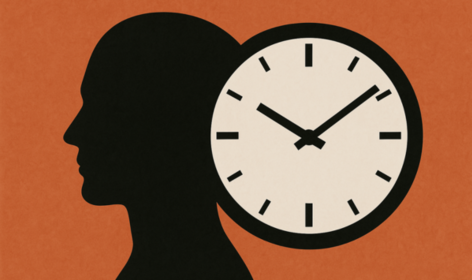
Forgetful? An expert discusses causes, warning signs, and provides tips for a strong memory. ©Fotolia
"Forgetfulness is a completely normal physiological process," says Prof. Dr. Heinz Wiendl, Medical Director of the Department of Neurology and Neuroscience at the Medical Center – University of Freiburg. "Our brain actually has to forget things in order to avoid becoming overloaded."
- Why forgetting is important
Our brain does not store everything—and that's a good thing. It constantly sorts through information: What is important? What can be discarded?
If every piece of information were stored permanently, we would be mentally "overloaded," explains Wiendl. "Only conscious sorting ensures that we can concentrate on the essentials."
The hippocampus—the memory center of our brain, so to speak—plays a central role in this process. It helps decide which information remains in the long term and how we classify it emotionally.
- Multitasking? A myth.
Many people believe they can do several things at once.
In fact, our brain can only really handle one complex task at a time.
Those who constantly jump between tasks only store information superficially. The result: we forget more quickly.
- Stress, lack of sleep, and mood
Constant stress, too little sleep, or depression can significantly impair memory performance.
Depression in particular is often confused with dementia. But the fact is that
depression is treatable—and with the right therapy, concentration often improves again.
- The doorstep effect – completely normal!
You walk into a room – and your train of thought is gone? This is called the "doorway effect."
When you move to a new environment, your brain realigns itself. Old information is temporarily pushed into the background.
"This is not a sign of illness, but a normal phenomenon," reassures the expert.
- When should I seek medical advice?
Occasional forgetfulness is normal.
You should be alert if:
- your everyday life is significantly impaired
- familiar routines no longer work
- you lose your bearings in familiar surroundings
- Family members notice significant changes
Then you should seek medical advice at an early stage.
- The conclusion
Our brain is our most important organ.
"A healthy lifestyle, social connections, and mental activity are the best protection—so that forgetting remains normal and remembering is successful," advises Wiendl.
- 7 things that strengthen your memory
Wiendl particularly recommends the "four Ls":
1. Walking
Regular exercise (8,000–10,000 steps a day) promotes blood circulation in the brain.
2. Learning
New content keeps neural connections active.
3. Laughing
Positive emotions strengthen brain performance.
4. Love
Social closeness and stable relationships protect mental health.
Other important factors are:
5. Healthy sleep
The brain processes and stores information primarily at night.
6. Conscious nutrition
A balanced diet supports brain function.
7. Treat risk factors
High blood pressure, diabetes, and obesity increase the risk of cognitive impairment—but they are easily treatable.
Further interesting articles

Medical Center - University of Freiburg
Central InformationPhone: 0761 270-0
info@uniklinik-freiburg.de
Corporate Communications
Breisacher Straße 15379110 Freiburg
Phone: 0761 270-84830
kommunikation@uniklinik-freiburg.de