
Tumour Immune Microenvironment
The immune system has evolved to identify and eliminate different threats, such as pathogens and tumour cells, in a process known as immune surveillance. However, tumour cells deploy a wide range of strategies to escape this surveillance, what makes cancer progress. In this sense, immunotherapy has emerged as a groundbreaking therapeutic approach that has radically changed the way cancer patients are treated, replacing conventional chemotherapy and radiation with therapies aimed at boosting humoral and cellular immunity against tumours.
Despite outstanding clinical outcomes found in blood malignancies, immunotherapy remains challenging for solid tumours such as prostate cancer due to the presence of a highly immunosuppressive tumor microenvironment (TME). Typically, solid tumours show a high infiltration of immune cell populations that impairs immune response, such as myeloid-derived suppressive cells (MDSCs), and poor infiltration of cytotoxic T cells, limiting their capacity to find and destroy tumour cells.
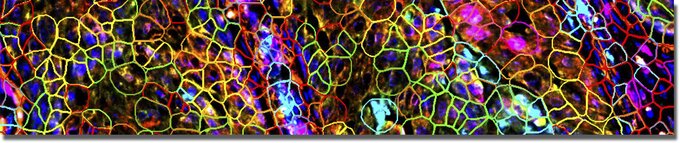
In our lab, we study the underlying mechanisms behind tumour immune scape to develop new strategies that might improve the clinical efficacy of immunotherapy in patients with prostate cancer. To accomplish this goal, we use genetically modified mouse models and perform single-spatial immunophenotyping and multiparametric flow cytometry techniques to characterize tumour samples. Besides, we implement a number of functional assays in vitro, including cocultures of T cells-tumour cells and T cells-MDSCs, to assess the suppressive and killing capacities of immune cells.

Dr. Jon Penarando Saez
Center for Clinical Research
University Freiburg Medical Center
Breisacherstrasse 66
D-79106 Freiburg i. Br.
Germany
+49 (0)761-270 63910
Literature
Peñarando J., Willmann D., Sum M., Jia Y., Berlin C., Braun L.M., Chen Z., Urban S., Jung M., Duteil D., Metzger D., Gratzke C., Zeiser R., Greschik H,. Schüle R., Metzger E. (2026). KMT9 drives T cell exclusion and dysfunction by promoting PMN-MDSCs infiltration and ARG1 expression in prostate cancer. Mol Cancer 25(1):223. doi: 10.1186/s12943-026-02801-8.