
Translational Cardiovascular Outcomes Research
Committed to improving outcomes of patients with cardiovascular disease by integrating experimental and clinical research with data and biomaterial repositories.

Dr. Adrian Heidenreich
Section co-lead Cardiogenic shock
Dr. Annette Büllesbach
Section co-lead Cardiogenic shock
Dr. Jonas Salm, MSc
Section lead Cardio-Obstrics and Cardiovascular risk
Section lead Vascular medicine
Dr. Sebastian König
Investigator (Cardiogenic shock)
sebastian.koenig@uniklinik-freiburg.de
Dr. Philipp Albrecht
Investigator (Cardiogenic shock)
Dr. Leonie Ziegler
Investigator (Cardiogenic shock)
Eva Herrmann
Investigator (Cardio-Obstetrics)
Marion Klima
Study Nurse
Niklas Hempfling
MD student (ARCTIC)
Luca Rappold
MD student (MIRACLE)

Philipp Domke
MD student (MIRACLE)
Leonie Walz
MD student (MIRACLE)
Alexander Baßler
MD student (MIRACLE)

Jakob Madlinger
MD student (MIRACLE)
Johanna Weigold
MD student (MIRACLE)
Clara-Mina Aug
MD student (MIRACLE)

Anna Kopetschke
Midwife & MD student (CHYBS)
Mirjam Paul
MD student (PRECARD)

Stefanie Kleeb
MD student (PRECARD)
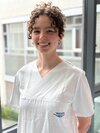
Debora Ehrhardt
Student researcher (TWILIGHT)
Project updates:
Current enrollment status of the MIRACLE study.
Cardiogenic shock (CS) is a life-threatening condition characterized by a severe reduction in cardiac output, leading to systemic hypoperfusion, multiorgan failure, and a mortality rate exceeding 30% in hospitalized patients. The primary causes of CS are acute myocardial infarction (AMI) and acutely decompensated heart failure (ADHF), though secondary CS resulting from arrhythmias, valvular dysfunction, right ventricular failure, and septic overlap are increasingly recognized. Beyond the immediate risk of acute mortality, many CS survivors face significant long-term morbidity and an elevated risk of mortality.
To enhance precision phenotyping and risk stratification, we designed the MIRACLE study, a multi-center, prospective, longitudinal cohort study. Our goal is to enable a comprehensive characterization and follow-up of CS patients across all etiologies and severities (SCAI classifications B to E). With a substudy, MIRACLE-SurvivorS, we specifically focus on CS survivors, tracking patient reported outcomes and clinical endpoints longitudinally through the first year.
Biobanking is conducted in collaboration with the Cardiovascular Biobank (CVBB), a hub of the FREEZE-Biobank, during both the acute phase and the long-term follow-up. Thereby, we aim to understand how molecular pathways drive differential recovery from CS.
MIRACLE has received start-up funding from the Programm Klinische Studien of the Medical Faculty of the University of Freiburg and from the Else Kröner-Fresenius-Foundation. It is registered at the Deutsches Register Klinischer Studien.
Project updates:
Recent findings have been published in Circulation and JACC:Advances
Pregnancy acts as a cardiovascular stress test. Hypertensive disorders of pregnancy (HDPs), including conditions such as preeclampsia, are major causes of maternal morbidity and are strongly linked to an increased risk of future cardiovascular disease. While many studies have demonstrated this association, the underlying causal mechanisms remain unclear, and there is limited understanding of the specific biomarkers and phenotypes during pregnancy that may predict premature cardiovascular disease in women—an area that has not received the attention it deserves until recently.
Through the TWILIGHT project, we aim to leverage pregnancy as an early window to predict short- and long-term cardiovascular health in women. In collaboration with Professor Marianne Andersen, a co-founder of the Danish Odense Child Cohort, and Professor Ralf Dechend, Charité Berlin, we are studying women who were pregnant between 2010 and 2012. By integrating data on their pregnancy outcomes and blood samples drawn during gestation with long-term health data from the The Danish National Patient Register, our goal is to identify biomarkers and mechanisms that may contribute to premature cardiovascular disease in women. We aim to translate these findings into targeted prevention strategies that can be implemented directly postpartum, providing early interventions for women at very high cardiovascular risk.
CHYBS
Project updates:
Recent findings have been published in Circulation: Cardiovascular Imaging
Immune checkpoint inhibitors (ICIs) have revolutionized cancer treatment by enhancing antitumor T-cell activity, leading to significant improvements in outcomes across various cancers. Over the past decade, eligibility for ICI therapy has expanded rapidly. However, concerns about the cardiovascular risks of ICIs have emerged, particularly the potential for accelerated vascular atherosclerosis. ICIs may trigger T-cell autoreactivity against autoantigens, leading to arterial inflammation and an increased risk of long-term cardiovascular events in treated patients.
The ARCTIC project aims to investigate the ability of arterial arterial 2-deoxy-2-[18F]fluoro-D-glucose ([18F]FDG) uptake in routine staging positron emission tomography (PET) scans to detect arterial inflammation in cancer patients treated with ICIs. By comparing changes in arterial tracer uptake between ICI-treated patients and non-treated controls across repeated scans, our goal is to assess the impact of ICIs on arterial inflammation and to better understand the mechanisms by which ICIs may increase atherosclerosis.
ARCTIC is a collaborative effort with PD Dr. Dr. Christian Goetz from the Department of Nuclear Medicine and Prof. Dr. Dennis Wolf from the Vascular Immunology Lab.