
AG Merz

Dr. rer. nat. Julian Merz
Group Leader | Arzt und Molekular-Mediziner
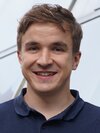
Deputy Group Leader | Arzt

Dr. rer. nat. Dymphie Suchanek
Lab Manager

MD-Student

MD-Student

MD-Student
Alumni:
Jasper Jansen, MD (jeweils Titel Arbeit)
Lorenz Karnbrock, MD
Karlos Rofa, MD
Daniel Dimanski, MD
Helene Zimmermann, Bachelor thesis
Karin Ott, Bachelor thesis

Intra- and extracellular function of Inflammasomes in health and disease
Rheumatological diseases such as rheumatoid arthritis and lupus are driven by persistent inflammation that damages joints and other tissues. A central component of this inflammatory process is the inflammasome—a molecular “alarm system” within immune cells that detects danger signals and triggers inflammatory responses. Our research focuses on the role of inflammasome activation and dysregulation in the development and progression of rheumatic diseases. By dissecting how these inflammatory switches contribute to chronic inflammation, we aim to identify new strategies to modulate excessive immune activation and improve patient outcomes. Traditionally, inflammasomes were thought to act only within the cells that form them. However, emerging evidence shows that they can also be released into the extracellular space, where they may amplify inflammatory responses by propagating signals to neighboring cells. Our group investigates these externalized inflammasomes—their function outside the cell and their contribution to sustained inflammation. Understanding this novel pathway could reveal previously unrecognized mechanisms of chronic disease and open new therapeutic avenues.
The role of adipose tissue inflammation in rheumatologic diseases
Adipose tissue is far more than a passive energy reservoir – it represents a highly active immunological organ that interacts closely with its surrounding structures and influences systemic inflammatory responses. In rheumatology, these interactions have gained increasing attention: perivascular adipose tissue can modulate local vascular inflammation, as seen in vasculitis, while inflammation of adipose tissue also contributes to systemic autoimmune conditions such as connective tissue diseases or psoriatic arthritis. Our research group investigates the role of adipose tissue inflammation in the development and progression of rheumatic diseases. We aim to uncover the underlying pathomechanistic processes and to explore novel therapeutic approaches that specifically target inflammatory pathways within adipose tissue. By combining advanced molecular methods, tissue analysis, and clinical research, we seek to shed new light on the complex interplay between adipose tissue, the immune system, and chronic inflammation—ultimately contributing to a better understanding of rheumatic disease pathogenesis.
Purinergic Receptors in Health and Disease
Cells communicate not only through hormones and proteins, but also through small molecules such as ATP, best known as the cell’s primary energy carrier. Through purinergic receptors, cells can sense ATP and related nucleotides in their environment and translate these signals into changes in immune activation, tissue repair, and cell.
Our research examines how purinergic signaling supports healthy immune function and how its dysregulation contributes to inflammation and rheumatic disease. We are particularly interested in the idea that distinct patterns of purinergic receptor expression and activation may act as sensors of the surrounding immunological milieu, integrating danger signals and cytokine environments into tailored cellular responses. By characterizing purinergic receptor profiles in rheumatologic inflammation, we aim to determine whether these signatures can help assign inflammatory processes to specific cytokine and danger signal contexts—and thereby reveal new opportunities for precise therapeutic intervention.
December 2025
Julius Wissemann received the award for the best poster by a doctoral researcher at the Research Day of the Medical Faculty Freiburg
Klinik für Rheumatologie und Klinische Immunologie
Hugstetter Str. 55
79106 Freiburg
Telefon: 0761 270-34210