

Wehr Laboratory
Immunological reconstitution after cellular therapy and secondary immunodeficiency (SID)
In hematology and oncology in general the increasing number of new targeted therapies, e.g. tyrosine kinase inhibitors, checkpoint inhibitors (anti-PD1/PDL1) confer a significant therapeutic benefit to many patients but also lead to an increase of secondary immunodeficiency (SID) contributing to morbidity and mortality of patients. After cellular therapies (allo-/auto-HCT, CAR-T cell therapy) immunological reconstitution depends on a multitude of factors (e.g. conditioning regimen, T cell depleting therapy, graft source, recipient and donor age, occurrence of GvHD). To ensure an adequate and timely immunological reconstitution is of importance both for control of infections but also recurrence of the primary disease in case of allogeneic hematopoietic cell transplantation (allo-HCT). The indication of immunoglobulin substitution in SID is largely dependent on older studies. In our group we evaluate the susceptibility to infections in these patients and dissect factors influencing immunological reconstitution and the response to vaccinations. Currently, the INFE-CT trial is recruiting: a prospective multicentric trial investigating the infection burden in patients after cellular therapy. INFE-CT Studie
Outcome prediction after allogeneic hematopoietic cell transplantation
Relapse and non-relapse morbidity and mortality after alloHCT remain high despite advances in conditioning regimens, donor selection, and supportive care. Current risk stratification primarily relies on clinical scoring systems such as the hematopoietic cell transplantation-Specific Comorbidity Index (HCT-CI), which have limited ability to predict outcomes at the individual level and do not capture biological frailty, metabolic reserve, systemic inflammation, or immune competence. Our recent work has shown that markers of systemic inflammation and immune activation (such as albumin, C-reactive protein and lymphocyte subsets CD4+, CD8+, CD19+) are strongly associated with one-year mortality, suggesting that transplant risk is determined by the interplay between metabolic state, inflammation, and immune function rather than comorbidity alone (Meyer et al Frontiers Immunology 2026). Current research focuses on validating our model and incorporating body composition analyses into outcome prediction.
Chronic GvHD (chronic graft-versus-host disease)
Chronic graft-versus-host disease (cGvHD) has a high morbidity and mortality and can affect a variety of organs. Common symptoms of cGvHD include skin lesions, sicca of the eyes and/or mouth, diarrhea, and cholestatic liver involvement. Less prevalent manifestations are fasciitis and/or muscle involvement, esophageal motility disorders and strictures, or pulmonary cGvHD. The kidney is also postulated to be a target organ of cGvHD. We aim to better understand the pathophysiology of lung GvHD and to dissect factors influencing chronic kidney disease after allo-HCT.
Inborn errors of immunity
In adulthood predominantly antibody deficiencies (PAD) are most frequent and immunoglobulin substitution is a mainstay of therapy. Combined immunodeficiencies in adults confer a high morbidity and mortality. In pediatrics allo-HCT is established as treatment for many inborn errors of immunity. In adults with combined immunodeficiencies innovative treatment concepts are needed and the significance of allo-HCT is increasingly recognized. We participate in international multicenter trials to evaluate the significance of allo-HCT in these patients.
Current team
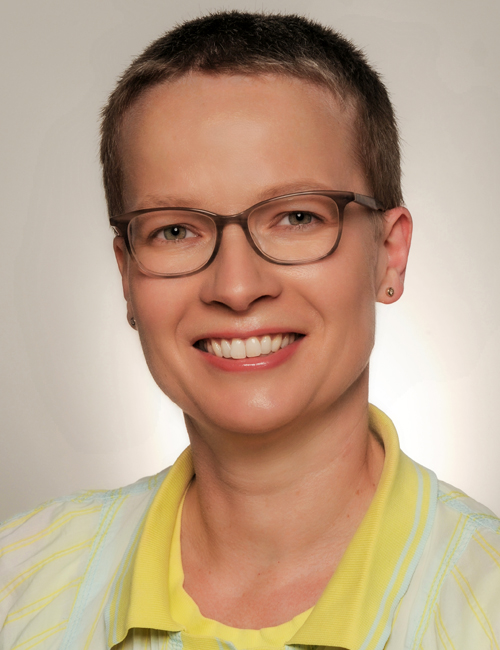
PD Dr. Claudia Wehr
Advanced clinician scientist
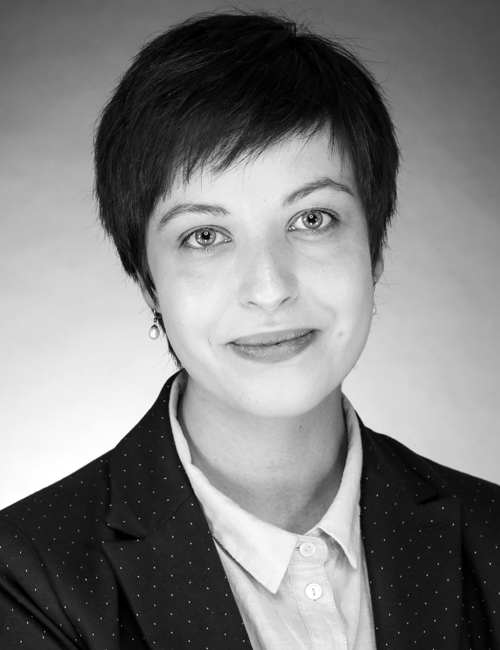
Alexandra Kutilina
Clinician scientist

Dr. Thomas Meyer
Clinician scientist

Dr. Laura Gengenbach
Clinician scientist
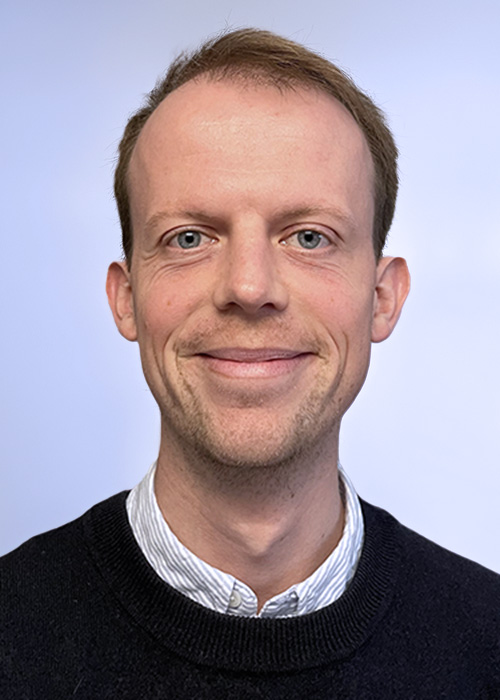
Dr. Hauke Wilcken
Clinician scientist

Dr. Christopher Wippel
Clinician scientist
- Dr. Ulrich Salzer, Klinik für Rheumatologie und Kliniksche Immunologie, UKF
- Prof. Dr. Klaus Warnatz, Centrum für Chronische Immundefizienz, UKF
- Prof. Dr. Alexandra Nieters, CCI, Freiburg
- Dr. Lynn Leppla, Pflegedirektion Stabsstelle Pflegedienst
- Dr. Björn Frye, Klinik für Pneumologie, UKF
- Prof Dr. Jakob Weiß, Radiologie Freiburg
- Dr. Florent Malard, Sorbonne Paris
- Prof. Eva Wagner-Drouet, Mainz
- Prof. Daniel Wolff, Universitätsklinikum Regensburg
- Prof. Dr. Leo Rasche, Universitätsklinikum Würzburg
- Prof. Dr. Il-Kang Na, Charité Berlin
- Prof. Dr. Marion Subklewe, München
- Vorsitzende im Arbeitskreis Immundefekte und Immundysregulation der Deutschen Gesellschaft für Hämatologie und Onkologie (DGHO)
- Mitglied im Arbeitskreis Infektionen (AGIHO) der DGHO
- Member of the working party “Inborn errors” of the European Blood and Marrow Transplantation Society (EBMT)